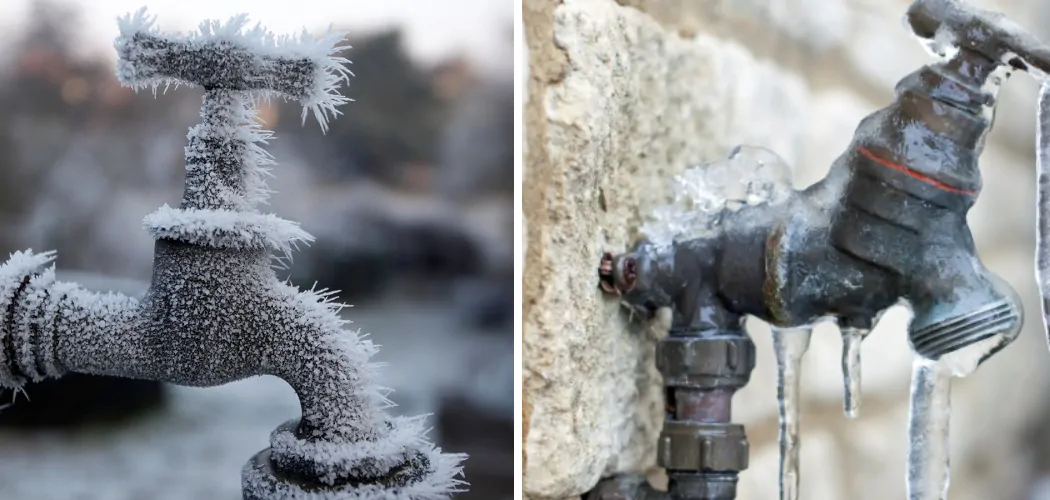

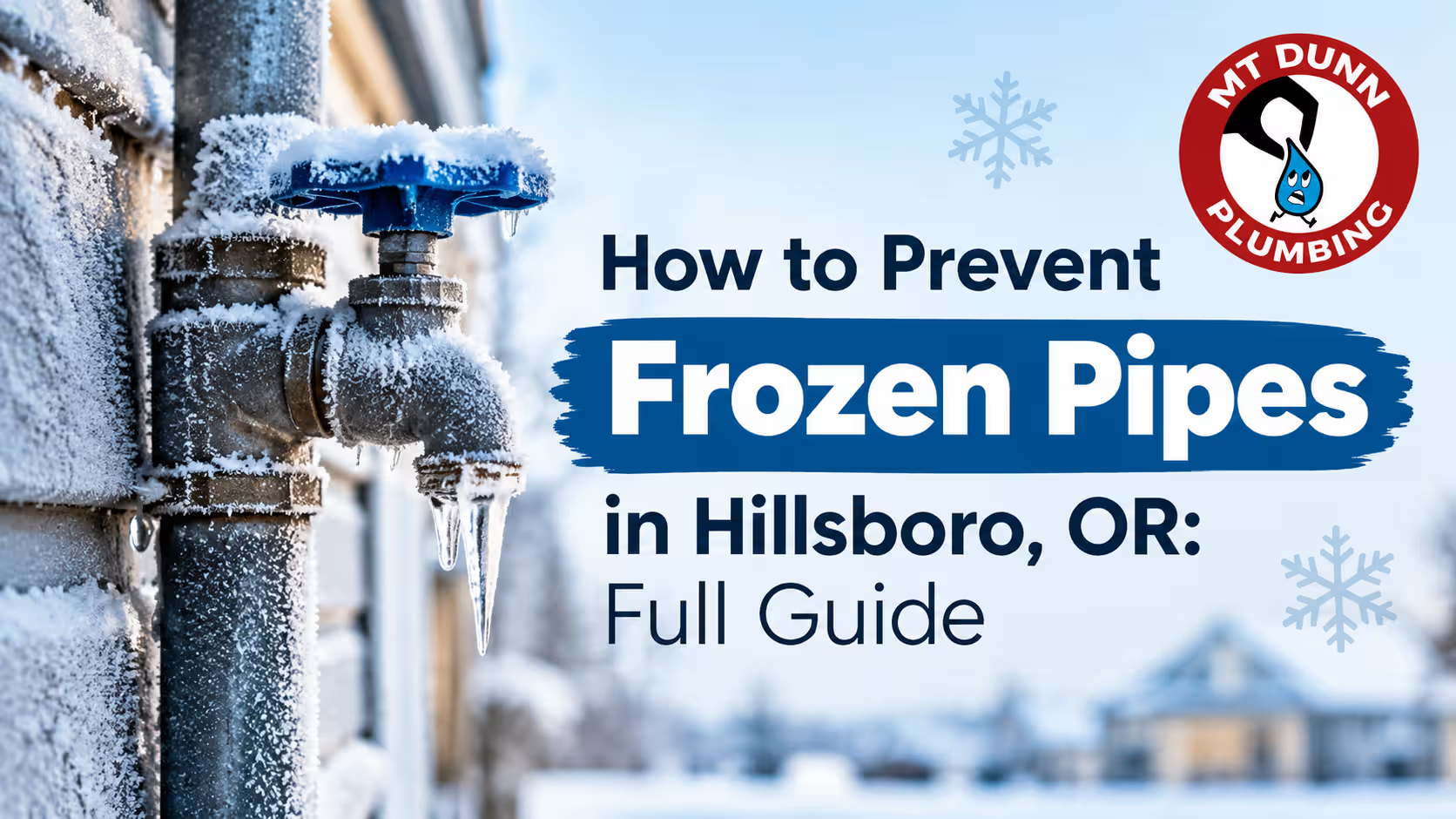
Frozen pipes can become a serious plumbing problem during periods of freezing weather in Hillsboro, Oregon. When temperatures drop, water inside exposed or poorly insulated pipes can freeze, expand, and place significant pressure on the pipe walls. In severe cases, the pipe may crack or burst, causing water damage when the ice eventually melts.
Hillsboro Water specifically recommends insulating vulnerable pipes, disconnecting outdoor hoses and irrigation equipment, covering foundation vents, sealing gaps around pipes, keeping garage doors closed, maintaining indoor temperatures of at least 55°F, and allowing faucets to trickle during freezing conditions.
Why Do Pipes Freeze in Hillsboro, OR?
Hillsboro does not experience prolonged extreme cold every winter, but short periods of freezing temperatures can still create plumbing risks. Pipes are particularly vulnerable when cold weather arrives suddenly or when plumbing is located in unheated areas.
Water expands as it freezes. When water inside a pipe turns to ice, the expansion can create pressure between the ice blockage and the closed sections of the plumbing system. This pressure can eventually cause a weak, damaged, or inadequately protected pipe to crack.
Common conditions that increase the risk of frozen pipes include:
- Pipes installed along exterior walls
- Uninsulated pipes in crawl spaces
- Plumbing in garages
- Pipes in attics or other unheated areas
- Gaps around pipe penetrations
- Open foundation vents during freezing weather
- Outdoor faucets and hose bibs
- Homes that are left unheated while occupants are away
- Poor insulation around vulnerable plumbing
- Cold air entering through doors, windows, or wall openings
The Oregon Division of Financial Regulation also recommends insulating and maintaining water pipes as part of winter preparation.
Which Pipes Are Most Likely to Freeze?
Not every pipe in a home has the same level of risk. Plumbing located inside heated areas is generally better protected because indoor temperatures remain higher. Pipes exposed to outside air are more vulnerable.
Pipes Along Exterior Walls
Water lines running through exterior walls can be exposed to colder temperatures, especially if the wall has inadequate insulation. Oregon emergency-preparedness guidance specifically recommends insulating water lines that run along outer walls.
Pipes in Crawl Spaces
Crawl spaces can become significantly colder than the occupied portions of a home. Pipes running through these areas may need additional insulation and protection from cold drafts.
Pipes in Garages
Garages are another common trouble spot because they are often not heated like the rest of the home. Keeping the garage door closed can help limit exposure to cold outdoor air.
Outdoor Faucets
Outdoor hose bibs are directly exposed to winter conditions. A connected garden hose can also leave water trapped against the faucet and inside the supply line, increasing the risk of freezing.
Pipes Near Foundation Vents
Open foundation vents can allow cold air to circulate around plumbing located in crawl spaces. Hillsboro’s winter pipe guidance recommends covering foundation vents during freezing conditions.
How Can You Prevent Frozen Pipes in Hillsboro?
Preventing frozen pipes is generally easier and less expensive than dealing with a burst pipe and subsequent water damage. Homeowners can take several steps before freezing weather arrives.
1. Insulate Exposed Water Pipes
Pipe insulation is one of the most practical ways to protect vulnerable plumbing. Focus first on pipes located in unheated areas, exterior walls, garages, crawl spaces, attics, and other areas where cold air can reach the plumbing.
Insulation helps slow the transfer of cold temperatures to the water inside the pipe. It is particularly useful when applied before a freezing event rather than after the pipe has already frozen.
When insulating pipes, make sure the insulation fits properly around the pipe and does not leave large exposed sections. Pay particular attention to joints, bends, and areas where pipes pass through walls.
2. Disconnect Outdoor Hoses
Before freezing weather arrives, disconnect garden hoses from outdoor faucets. Leaving a hose attached can trap water in the faucet and connected plumbing.
Hillsboro’s winter pipe-protection guidance specifically recommends disconnecting outdoor hoses.
After disconnecting the hose, inspect the faucet for leaks or other problems. If your property has a separate shut-off valve for an outdoor faucet, closing it before freezing weather can provide additional protection.
3. Protect Outdoor Faucets
Outdoor faucets should receive special attention because they are directly exposed to cold weather.
You can use an insulated faucet cover designed for winter conditions. These covers help reduce exposure to cold air and can provide another layer of protection around the fixture.
4. Keep Your Home at 55°F or Higher
Avoid turning your heating system off when temperatures are expected to fall below freezing.
This is especially important if you are leaving town during winter. A vacant house can become cold enough for vulnerable plumbing to freeze even when the weather event lasts only a short time.
5. Let Faucets Trickle During Severe Cold
Allowing a small amount of water to flow through vulnerable plumbing can reduce the likelihood of freezing. Hillsboro’s guidance recommends allowing hot and cold faucets to trickle overnight during freezing conditions.
This does not mean every faucet in the house must run continuously. The goal is to maintain water movement through plumbing that is particularly vulnerable to freezing.
6. Open Cabinet Doors Under Sinks
Kitchen and bathroom cabinets can restrict warm air circulation around plumbing. Opening cabinet doors during particularly cold weather can allow warmer indoor air to reach pipes beneath sinks.
Hillsboro specifically includes opening kitchen and bathroom cabinet doors among its frozen-pipe prevention recommendations.
7. Seal Gaps Around Pipes
Cold air can enter through openings where plumbing pipes pass through walls, floors, foundations, or other structural areas.
Inspect these locations for visible gaps or cracks. Caulking appropriate openings can reduce cold-air infiltration and help protect plumbing.
8. Protect Pipes From Wind
Wind can increase the exposure of pipes located in vulnerable areas. Plumbing exposed to outside air should be protected from drafts whenever possible.
This is particularly important around crawl spaces, garages, exterior walls, and other locations where cold air can circulate around water lines.
9. Close Foundation Vents During Freezing Weather
Foundation vents can allow cold air into crawl spaces. If water lines run through these areas, the resulting temperature drop can increase their risk of freezing.
Hillsboro recommends covering foundation vents during freezing conditions.
However, homeowners should make sure any seasonal vent-covering approach is appropriate for the home’s construction and moisture-management needs.
10. Keep Garage Doors Closed
If your home has plumbing in or near the garage, leaving the garage door open can expose those pipes to colder outdoor air.
Keeping the door closed helps maintain a more stable temperature inside the garage and reduces unnecessary cold-air exposure.
How Should You Prepare Pipes Before Leaving Hillsboro?
Leaving your home vacant during freezing weather requires additional preparation. A house can become vulnerable quickly if the heating system is turned off or if a plumbing problem develops while nobody is present.
Before leaving, consider this checklist:
- Keep the heating system operating.
- Set the thermostat to at least 55°F.
- Disconnect outdoor hoses.
- Protect outdoor faucets.
- Insulate exposed plumbing.
- Check pipes in garages and crawl spaces.
- Seal noticeable gaps around pipe penetrations.
- Know where the main water shut-off valve is located.
- Consider asking someone to check the property during an extended absence.
- Make sure your heating system is functioning properly.
Oregon emergency guidance also recommends leaving the furnace on a low setting rather than turning it off when leaving home for several days, while noting that this alone may not completely prevent frozen pipes.
What Is the Frozen Pipe Prevention Checklist for Hillsboro Homeowners?
A simple winter checklist can help homeowners prepare before freezing temperatures arrive.
Before Freezing Weather
- Insulate exposed pipes.
- Disconnect outdoor hoses.
- Protect outdoor faucets.
- Seal gaps around pipes.
- Check crawl spaces and garages.
- Cover appropriate foundation vents.
- Confirm your heating system is working.
- Locate the main water shut-off valve.
During Freezing Weather
- Keep indoor temperatures at 55°F or higher.
- Keep garage doors closed.
- Open under-sink cabinet doors where appropriate.
- Allow vulnerable faucets to trickle if needed.
- Monitor fixtures for reduced water flow.
- Check vulnerable plumbing periodically.
If You Suspect Freezing
- Check water flow at faucets.
- Look for visible frost or ice.
- Locate the main shut-off valve.
- Never use an open flame.
- Warm the pipe gradually.
- Watch carefully for leaks.
- Contact a plumber if the pipe is damaged or cannot be safely thawed.
Why Choose M T Dunn Plumbing for Frozen Pipe Prevention in Hillsboro, OR?
Preventing frozen pipes requires more than reacting when temperatures drop. M T Dunn Plumbing can help Hillsboro homeowners identify vulnerable plumbing, inspect exposed water lines, and address issues that may increase the risk of freezing. From pipes in crawl spaces and garages to plumbing near exterior walls, professional attention can help improve protection before cold weather creates a serious problem.
Choosing an experienced local plumbing company can also be helpful when frozen pipes have already caused damage. M T Dunn Plumbing can assist with plumbing repairs and related services when a pipe freezes, cracks, or begins leaking. Addressing the underlying issue can help restore reliable water service and reduce the possibility of recurring winter plumbing problems.
Frequently Asked Questions
Can frozen pipes burst after they thaw?
Yes, freezing can damage a pipe, and the leak may become apparent when the ice melts and water pressure returns. Inspect the area carefully and shut off the water if you notice leakage.
Can insulation completely prevent pipes from freezing?
No, insulation slows heat loss but does not guarantee that pipes will never freeze during prolonged extreme cold. Combining insulation with proper heating, sealing air leaks, and other preventive measures provides better protection.
When should I call a plumber for frozen pipes?
Call a plumber if you cannot safely thaw the pipe, discover a leak or burst, lose water service, cannot locate the main shutoff, or suspect that freezing has damaged your plumbing system.
Can a plumber inspect my home for frozen-pipe risks?
Yes, a professional plumber can identify vulnerable pipes, inadequate insulation, exposed plumbing, problematic outdoor connections, and other conditions that may increase the risk of winter plumbing damage.
How much damage can a frozen pipe cause?
A burst pipe can release a substantial amount of water into walls, ceilings, floors, and other areas of a home. Preventive measures are generally much less costly than dealing with extensive water damage and pipe repairs.