
A sudden increase in your water bill can be frustrating, especially when your household water habits have not changed. While seasonal usage, rate changes, or increased outdoor watering can affect your bill, an unexplained spike may also indicate a hidden plumbing leak. Some leaks are obvious, while others continue quietly behind walls, under floors, beneath landscaping, or inside plumbing fixtures.
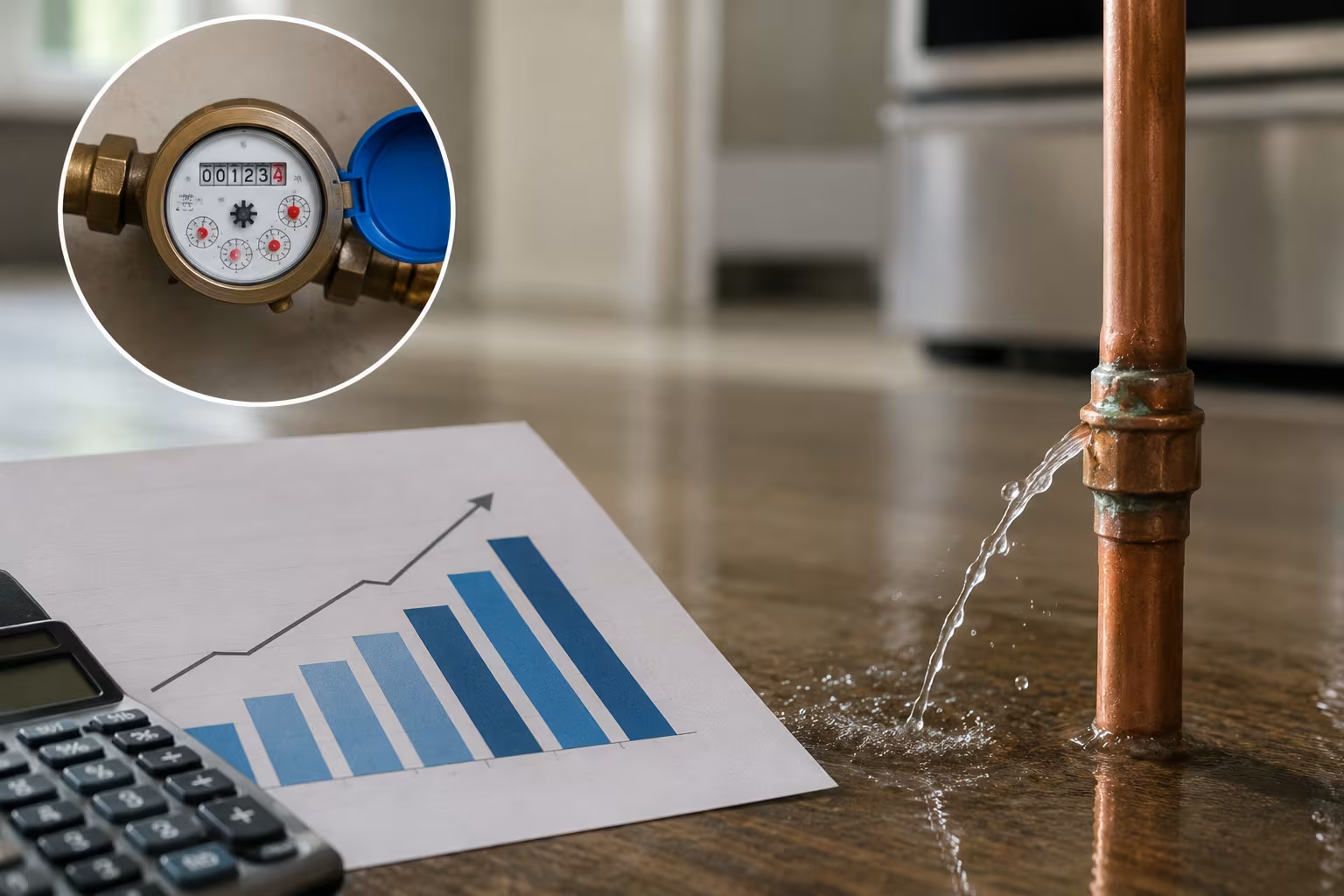
For Hillsboro homeowners, checking unusual water consumption early can help prevent wasted water and more expensive plumbing damage. The City of Hillsboro explains that its water-use charge is based on the amount registered by the water meter, and its 2026 information notes that a typical residential customer uses around 6,000 gallons per month.
Why Can a Water Bill Suddenly Increase?
A higher water bill does not automatically mean you have a plumbing leak. Water usage can rise when household routines change. More frequent showers, additional laundry, guests, lawn watering, filling a pool, or other activities can increase consumption.
However, an unexplained increase deserves attention. If your household has maintained roughly the same routine but your water usage suddenly climbs, a hidden leak becomes one possible cause.
Hillsboro uses tiered residential water pricing, meaning additional water use can result in progressively higher use charges. Because of this structure, a leak that continues unnoticed can affect more than just the number of gallons shown on your bill.
What Are the Most Common Hidden Leak Signs?
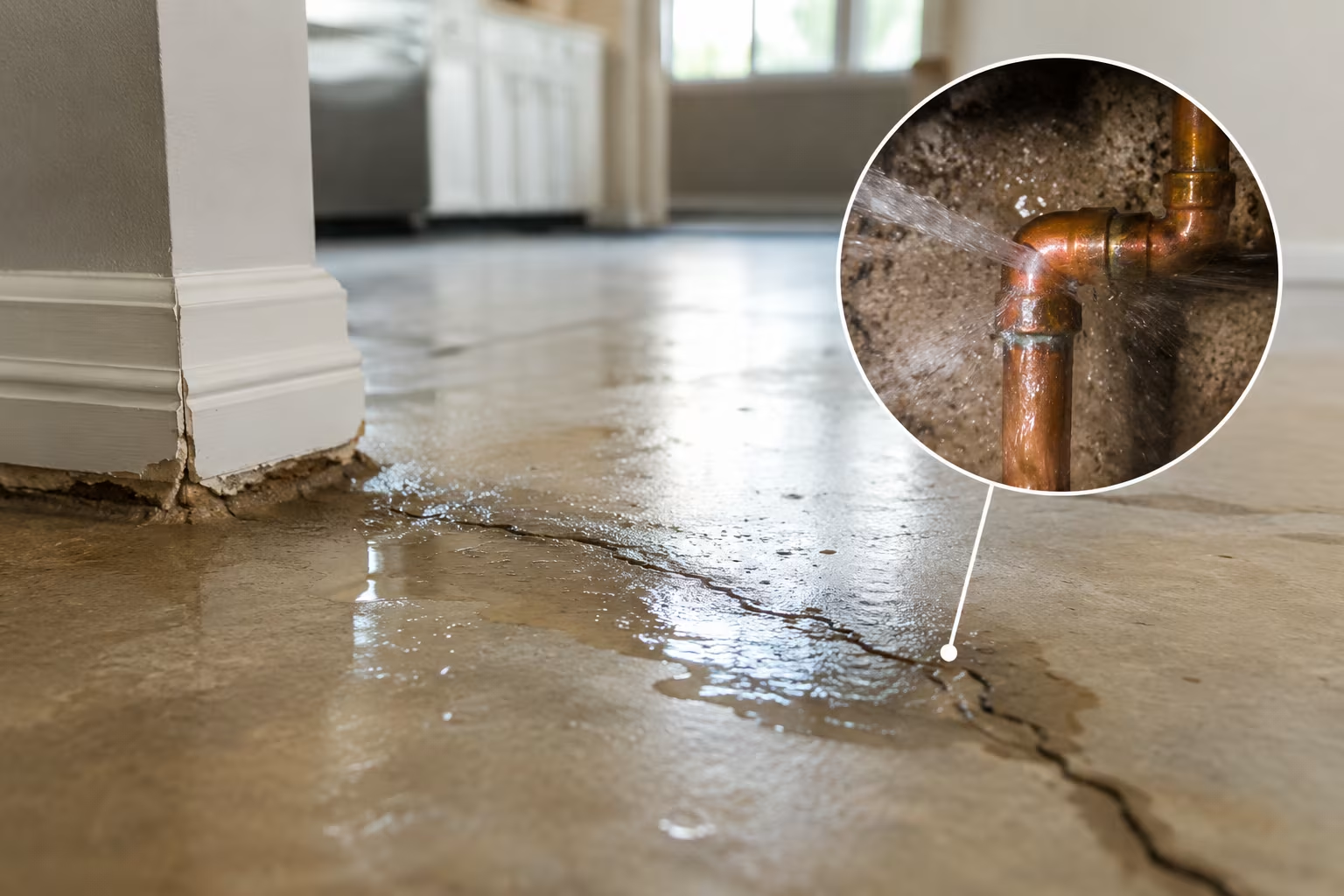
A hidden plumbing leak can waste water for weeks or months before becoming obvious. Recognizing early warning signs can help Hillsboro homeowners investigate unusual water usage, prevent property damage, and arrange professional plumbing repairs before a minor leak becomes a costly problem.
1. Unexpected Increase in Your Water Bill
An unexplained increase in your monthly water bill is often one of the earliest warning signs. If your household habits have remained consistent but water consumption suddenly rises, a hidden leak somewhere in your plumbing system could be responsible.
2. Water Meter Keeps Moving
Your water meter can reveal water usage even when fixtures are not running. Turn off faucets, appliances, irrigation, and other water sources, then check the meter. If it continues registering consumption, water may be escaping somewhere within your plumbing system.
3. Musty or Damp Odors
Persistent musty, earthy, or damp smells can indicate moisture accumulating behind walls, underneath flooring, or inside cabinets. If cleaning does not eliminate the odor and your water usage has increased, investigate nearby plumbing connections for a possible concealed leak.
4. Discolored Walls or Ceilings
Brown, yellow, or unusual water stains appearing on walls or ceilings can signal moisture from a leaking pipe. These marks may gradually expand, darken, or return after cleaning, indicating that the underlying plumbing problem has not been resolved.
5. Peeling or Bubbling Paint
Paint that begins peeling, bubbling, cracking, or blistering without an obvious reason may be reacting to moisture behind the surface. Hidden plumbing leaks can saturate drywall and cause visible changes before significant structural damage becomes apparent inside your home.
6. Warped or Damaged Flooring
Unexplained buckling, swelling, soft spots, or warped flooring can indicate water collecting underneath the surface. Pay particular attention around bathrooms, kitchens, laundry rooms, and water heaters, where plumbing connections can develop leaks that remain hidden beneath floors.
7. Sounds of Running Water
Hearing dripping, rushing, hissing, or running-water sounds when every faucet and appliance is turned off can indicate a concealed plumbing problem. Listen carefully during quiet periods, particularly at night, when background household noise is minimal and unusual sounds become easier to identify.
8. Unusually Wet Outdoor Areas
Persistent puddles, muddy patches, or unusually green sections of grass may indicate an underground plumbing or irrigation leak. If one outdoor area remains noticeably wetter than surrounding landscaping without additional watering, inspect nearby pipes, hose connections, and irrigation components.
9. Reduced or Changing Water Pressure
A sudden or unexplained change in water pressure can sometimes indicate a plumbing leak, although other plumbing problems may cause similar symptoms. If pressure changes occur alongside higher water usage, damp areas, or unusual sounds, professional inspection can help identify the cause.
10. Mold or Mildew Growth
Unexpected mold or mildew growth around walls, ceilings, cabinets, or floors can indicate persistent moisture. While humidity and ventilation problems can also cause these conditions, recurring growth near plumbing fixtures should be investigated for a concealed water leak before the damage spreads.
What Should You Do After Finding a Possible Leak?
Once you notice signs of a possible plumbing leak, acting quickly can help limit water waste and prevent additional damage. Follow these practical steps to determine the seriousness of the problem and decide whether professional plumbing assistance is needed.
- Turn Off the Water Supply: Shut off the fixture’s individual supply valve if you can identify the source. For a larger or unknown leak, turn off your home’s main water supply to stop continued water flow.
- Check the Water Meter: After turning off all water-using fixtures and appliances, check your water meter. If it continues showing water usage, there may be another leak somewhere in the plumbing system.
- Inspect Accessible Plumbing: Look beneath sinks, around toilets, near appliances, and around the water heater for dripping water, dampness, corrosion, mineral deposits, or damaged connections that could reveal the leak source.
- Protect Nearby Property: Move furniture, rugs, electronics, and other belongings away from wet areas. If water is reaching electrical outlets or equipment, avoid contact with the affected area and prioritize safety.
- Document the Problem: Take photographs of visible water damage, wet areas, damaged fixtures, and your meter readings. Documentation can help a plumber understand what you discovered and may be useful for maintenance records.
- Avoid Unnecessary Repairs: Do not open walls, floors, ceilings, or other structures simply to search for a suspected hidden leak. Professional leak detection can help locate concealed plumbing problems more accurately.
- Contact a Professional Plumber: If the leak continues, cannot be located, or appears to be inside a wall, beneath flooring, underground, or under concrete, contact a qualified plumber for inspection and repair.
- Monitor Your Water Usage: Continue checking your water meter and future bills after the repair. A return to normal consumption can help confirm that the suspected leak has been properly addressed.
Taking these steps fastly can reduce unnecessary water loss and help prevent a small plumbing issue from developing into extensive property damage. For homeowners in Hillsboro, professional plumbing assistance can provide a more reliable solution when the leak source is difficult to identify.
How Can You Prevent Future Water Bill Spikes?
Preventing unexpected water bill increases starts with regular monitoring and basic plumbing maintenance. Small leaks can remain unnoticed for long periods, so Hillsboro homeowners should make water usage checks part of their routine and address unusual changes as soon as they appear.
- Monitor Your Monthly Water Usage: Compare your current water bill with previous months to identify unusual increases. A sudden change without a corresponding change in household activity can indicate a developing plumbing leak.
- Check Toilets Regularly: Inspect toilets for silent leaks by listening for intermittent running water or checking the tank for internal leaks. Replacing worn flappers, fill valves, or seals can help prevent unnecessary water loss.
- Inspect Faucets and Fixtures: Look around kitchen and bathroom faucets, showerheads, hose bibs, and other fixtures for dripping or moisture. Repairing small leaks promptly can prevent ongoing water waste from becoming a larger problem.
- Monitor Your Water Meter: Periodically check the water meter when everyone in your home is finished using water. Continued meter movement can indicate water consumption from a leak that may require further investigation.
- Inspect Under-Sink Plumbing: Check cabinets beneath kitchen and bathroom sinks for dampness, staining, corrosion, or dripping connections. Early detection can help prevent hidden moisture from damaging cabinets, flooring, and surrounding materials.
- Maintain Your Water Heater: Inspect the area around your water heater for puddles, moisture, corrosion, or leaking connections. Routine professional maintenance can also help identify developing plumbing problems before they cause significant water loss.
- Check Outdoor Plumbing: Examine hose connections, outdoor faucets, irrigation systems, and visible pipes regularly. Look for unexplained puddles, muddy areas, or unusually green patches of grass that could indicate an underground water leak.
- Schedule Plumbing Inspections: Professional plumbing inspections can identify leaks and aging components that may not be obvious during everyday use. Regular evaluations can be especially useful for homes with older plumbing systems.
- Respond Quickly to Warning Signs: Do not ignore musty odors, water stains, warped flooring, unusual sounds, or unexplained changes in water pressure. Addressing these warning signs early can help prevent more extensive plumbing damage.
- Know Your Main Shut-Off Valve: Make sure everyone in the household knows where the main water shut-off valve is located. Being able to quickly stop the water supply can minimize damage if a major leak suddenly develops.
By monitoring water consumption and maintaining your plumbing system, you can catch potential leaks before they create significant waste or damage. Fast repairs and regular checks can help Hillsboro homeowners keep their plumbing reliable and avoid unexpected water bill increases.
Why Choose MT Dunn Plumbing for Hidden Leak Detection and Plumbing Repairs in Hillsboro?
When your Hillsboro water bill suddenly increases without a clear reason, MT Dunn Plumbing can help identify potential leaks and plumbing problems. Our team focuses on finding the source of unexplained water usage, whether the issue involves fixtures, pipes, water heaters, or other parts of your plumbing system.
Choosing MT Dunn Plumbing means getting professional assistance when a leak is difficult to locate or repair. We can assess visible warning signs, investigate suspected plumbing issues, and recommend appropriate repairs based on the problem. Addressing leaks promptly can help reduce water waste and protect your Hillsboro home from further damage.
Frequently Asked Questions
Can an irrigation leak increase my water bill?
Yes, a damaged sprinkler head, broken underground irrigation pipe, faulty valve, or leaking connection can use substantial water without being noticed immediately. Inspect irrigation areas regularly, especially after seasonal watering changes.
Why is my bathroom floor damp without an obvious leak?
A damp bathroom floor may result from a leaking toilet seal, supply line, shower connection, drain, or concealed pipe. Persistent moisture should be investigated because continued exposure can damage flooring and surrounding materials.
Can a hidden pipe leak happen inside a wall?
Yes, supply and drainage pipes can develop leaks inside walls, ceilings, floors, or other concealed areas. Warning signs may include stains, bubbling paint, musty odors, dampness, or unexplained increases in water consumption.
Can high water pressure cause plumbing leaks?
Excessive water pressure can place additional stress on pipes, fixtures, valves, and connections. Over time, this may contribute to leaks or premature component failure. If you notice pressure changes or repeated leaks, professional evaluation may be worthwhile.
How can MT Dunn Plumbing help with a suspected hidden leak?
MT Dunn Plumbing can help Hillsboro homeowners investigate plumbing problems associated with unexplained water usage. Professional assessment can help identify potential leak sources and determine whether plumbing repair, fixture replacement, or further diagnostic work is appropriate.
Can seasonal changes cause hidden plumbing leaks in Hillsboro?
Temperature changes and seasonal plumbing demands can place additional stress on certain components. Outdoor irrigation changes can also affect water consumption. If your bill increases unexpectedly after a seasonal transition, check both indoor plumbing and outdoor water systems.