
Choosing between a traditional tank water heater and a tankless water heater is an important decision for Hillsboro homeowners. Your water heater affects daily comfort, energy use, available space, maintenance requirements, and long-term operating costs. While both systems can provide reliable hot water, they work very differently and offer distinct advantages depending on your household.
Hillsboro’s municipal water is treated and regularly tested to meet state and federal drinking water standards. The city’s water has historically been relatively soft, which can be favorable for water-heating equipment because excessive mineral buildup is generally less of a concern than it is in hard-water areas. So, should you choose a tank or tankless water heater for your Hillsboro home? The right answer depends on how much hot water your household uses, your available installation space, your budget, your energy source, and how long you plan to stay in the property.
What Is a Traditional Tank Water Heater?
A traditional tank water heater stores and heats a specific volume of water inside an insulated tank. Common residential models typically hold several dozen gallons. A thermostat maintains the water at the desired temperature so hot water is available when a faucet, shower, dishwasher, or washing machine needs it. Tank water heaters are available in gas and electric configurations. Gas models use a burner to heat the water, while electric models use heating elements inside the tank. Because the water is stored and heated in advance, the system can supply a large amount of hot water quickly until the stored supply is depleted.
One of the biggest advantages of a tank system is its straightforward design. Most plumbers are familiar with conventional water heaters, replacement parts are widely available, and installation is often less complicated than installing a tankless system.
What Is a Tankless Water Heater?
A tankless water heater, also called an on-demand water heater, does not continuously store a large volume of hot water. Instead, water flows through the unit when a hot-water fixture is turned on. Sensors detect the flow and activate a heating system that raises the water temperature as it passes through the unit. Because there is no large storage tank, a tankless system can provide hot water for an extended period as long as the unit has enough capacity and the energy supply can support the demand.
Tankless systems are available in gas and electric models. However, selecting the right size is particularly important. A unit that is too small may struggle when several fixtures require hot water simultaneously.
Tank vs. Tankless Water Heaters: What’s the Difference?
The biggest difference is how each system handles hot water.
A tank water heater stores a reserve of heated water. A tankless system heats water only when it is needed. This basic difference affects almost every part of ownership, including energy consumption, installation, space requirements, recovery time, maintenance, and upfront cost.
Feature | Tank Water Heater | Tankless Water Heater |
Hot water storage | Stores heated water | Does not store large amounts |
Hot water supply | Limited by tank capacity | Continuous within unit capacity |
Upfront cost | Usually lower | Usually higher |
Installation | Generally simpler | Can require upgrades |
Space requirements | Larger footprint | Compact |
Standby heating | Yes | Minimal |
Energy efficiency | Good | Generally higher efficiency |
Recovery | Must reheat after depletion | Heats water on demand |
Maintenance | Periodic maintenance required | Periodic maintenance required |
Lifespan | Often shorter | Often longer with proper care |
Best for | Many households and budget-conscious replacements | Space-saving and long-term efficiency |
What Are the Benefits of a Tank Water Heater for Hillsboro Homes?
A tank water heater can be a practical choice for Hillsboro homeowners who value familiar operation, lower upfront costs, and dependable hot-water storage. Consider these benefits when comparing your options.
Lower Upfront Cost
Tank water heaters generally cost less to purchase and install than tankless models. This makes them practical for Hillsboro homeowners who want reliable hot water while keeping initial replacement expenses manageable.
Familiar System Design
Traditional tank water heaters have been used in homes for many years. Their straightforward design is familiar to homeowners and plumbing professionals, making installation, troubleshooting, repairs, and maintenance easier to understand.
Hot Water Storage
A storage tank keeps a supply of heated water ready for household use. This can benefit families with predictable hot-water needs, especially when showers, laundry, dishwashing, and other activities occur throughout the day.
Simple Replacement
Replacing an existing tank with another compatible tank model can be relatively straightforward. If current plumbing, gas connections, venting, and electrical systems are suitable, fewer modifications may be necessary during installation.
Easier Repairs
Tank water heaters use familiar components, including thermostats, heating elements, anode rods, and pressure relief valves. Because these systems are common, qualified plumbers can typically identify problems and complete necessary repairs efficiently.
Suitable for Predictable Demand
A tank water heater can work well for households with consistent daily hot-water patterns. Choosing the appropriate tank capacity helps provide sufficient hot water without unnecessarily increasing equipment size or costs.
Flexible Fuel Options
Depending on the home’s existing setup and local availability, tank water heaters may operate using electricity or natural gas. Homeowners can discuss available fuel options with a professional before selecting replacement equipment.
Straightforward Maintenance
Routine maintenance can include flushing accumulated sediment, checking components, inspecting connections, and testing safety features. Regular professional service helps maintain performance while identifying developing problems before they cause significant disruption.
Reliable Everyday Performance
A properly installed and correctly sized tank water heater can provide dependable hot water for everyday household activities. Its established technology makes it a practical choice for many Hillsboro homes and families.
Practical Budget Choice
For homeowners prioritizing lower installation costs and familiar operation, a tank water heater can be a sensible option. A professional evaluation can determine whether its capacity and performance match household needs.
What Are the Benefits of a Tankless Water Heater for Hillsboro Homes?
A tankless water heater can offer Hillsboro homeowners greater space efficiency, on-demand hot water, and potential energy savings. These benefits can make tankless technology appealing for specific household needs and long-term plans.
Hot Water on Demand
Tankless water heaters heat water as it flows through the system instead of storing heated water. This allows properly sized equipment to provide hot water whenever fixtures require it during normal household use.
Reduced Standby Heat Loss
Because tankless systems do not continuously store large quantities of heated water, they avoid most standby heat loss associated with traditional storage tanks. This can contribute to improved energy efficiency depending on household usage.
Smaller Equipment Size
Tankless water heaters are considerably more compact than conventional tanks. Their smaller footprint can benefit Hillsboro homeowners with limited utility space, remodeled areas, garages, or locations where preserving floor space matters.
Continuous Hot Water
A properly sized tankless unit can continue heating water while demand remains within its flow capacity. This can reduce concerns about exhausting a stored supply during consecutive showers or other household activities.
Greater Space Flexibility
The compact design of tankless equipment provides homeowners with more flexibility when planning utility areas or renovations. Installation location still depends on venting, fuel, electrical, plumbing, clearance, and manufacturer requirements.
Potential Energy Savings
Tankless systems may use less energy because they heat water when needed rather than continuously maintaining stored water temperature. Actual savings vary according to household demand, fuel type, efficiency, and installation conditions.
Longer Potential Lifespan
When properly installed and maintained, tankless water heaters can potentially provide a longer service life than many traditional storage units. Water conditions, usage patterns, equipment quality, and maintenance can significantly influence longevity.
Better for High Demand
Tankless systems can be useful for households that frequently use hot water throughout the day. However, proper sizing remains essential because every unit has a maximum flow rate and heating capacity.
Less Storage Space Needed
Without a large storage tank, homeowners can reclaim floor space previously occupied by conventional equipment. This can be particularly useful in smaller homes or utility areas where every square foot matters.
Long-Term Investment
Although tankless systems typically require a higher initial investment, their efficiency, compact design, and potential longevity may provide long-term value. Homeowners should compare installation costs, operating expenses, maintenance, and expected usage carefully.
How Does Hillsboro Water Quality Affect Your Choice?
Hillsboro homeowners should consider local water quality when choosing a water heater. The city regularly tests and treats its drinking water to meet applicable state and federal standards and publishes annual water quality reports. Reported hardness has been relatively low, with one report listing approximately 2.16 to 2.25 grains per gallon during the sampling period.
Relatively soft water can help reduce severe scale buildup, which is more commonly associated with hard water. However, softer water does not mean a water heater requires no maintenance. Homeowners should still schedule professional inspections and servicing based on their equipment, household usage, and specific water conditions to support efficient operation, reliability, and longer service life.
What Maintenance Does a Tank Water Heater Need?
Maintenance helps preserve performance and can identify developing problems before they become major failures.
Typical maintenance considerations include:
- Inspecting connections for leaks
- Checking the temperature and pressure relief valve
- Inspecting the tank and surrounding area
- Checking the anode rod when applicable
- Flushing the tank when appropriate
- Inspecting heating components
- Checking the burner and venting on gas models
- Confirming safe operation
The maintenance schedule depends on the equipment, installation, water conditions, and manufacturer’s instructions.
What Maintenance Does a Tankless Water Heater Need?
Tankless equipment also requires maintenance even though it does not contain a large storage tank.
Depending on the system, maintenance may include:
- Inspecting the inlet filter
- Checking water connections
- Cleaning components
- Inspecting venting
- Checking error codes
- Inspecting combustion components on gas models
- Flushing the heat exchanger when required
- Verifying proper temperature and flow
- Checking electrical connections
Because tankless heaters contain specialized components, professional maintenance can be particularly useful when the unit shows reduced performance or error codes.
What Are the Most Common Water Heater Problems?
Both systems can develop problems over time.
Common Tank Water Heater Problems
A conventional tank may experience:
- No hot water
- Insufficient hot water
- Water leaking around the tank
- Rust or corrosion
- Sediment accumulation
- Faulty thermostat
- Failed heating element
- Burner problems
- Pressure issues
- Discolored or unusual-smelling water
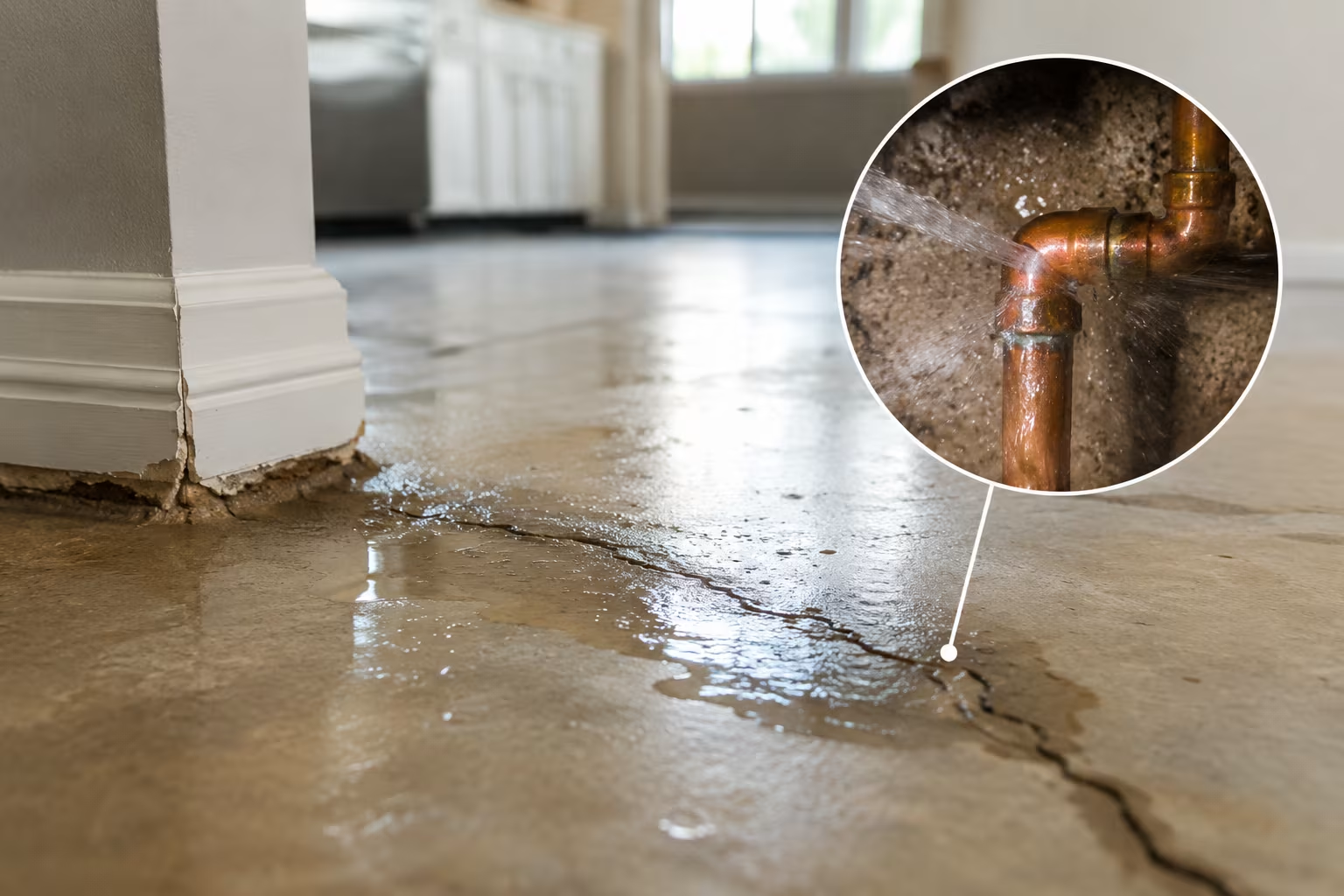
A leaking storage tank is especially important because corrosion or internal tank failure can eventually result in significant water damage.
Common Tankless Water Heater Problems
Tankless systems may experience:
- Fluctuating water temperature
- Low hot-water flow
- Error codes
- Ignition problems
- Mineral buildup
- Blocked filters
- Venting problems
- Electrical issues
- Gas supply problems
- Incorrect sizing
Some tankless problems are caused by installation or system sizing rather than a defective heater.
What Should You Ask a Plumber Before Choosing?
Before committing to a water heater, ask your plumbing professional:
- What size system does my household actually need?
- How much hot water do we use during peak periods?
- Is my existing gas line large enough for tankless equipment?
- Does my electrical service support the proposed system?
- Will the venting need to be changed?
- What additional installation work is required?
- What maintenance does the system need?
- What is the expected service life?
- What warranties are included?
- Are permits required?
- What would the estimated total installation cost be?
- Which option makes more financial sense for my home?
These questions can help you compare the systems based on your actual property rather than generic product claims.
When Should You Replace Your Water Heater?
Do not wait for a major leak before considering replacement.
Warning signs that your water heater may be approaching the end of its useful life include:
- Frequent loss of hot water
- Water leaking from the tank
- Rust around connections
- Unusual noises
- Rising energy bills
- Inconsistent water temperature
- Frequent repairs
- Visible corrosion
- Slow recovery
- Age-related deterioration
If your current system is becoming unreliable, comparing replacement options before it fails completely can give you more time to choose the right equipment.
Why Choose MT Dunn Plumbing for Tank or Tankless Water Heater Installation in Hillsboro?
MT Dunn Plumbing helps Hillsboro homeowners choose between tank and tankless water heaters based on household size, hot water demand, available space, and budget. Our experienced plumbers can explain the differences clearly and recommend an efficient system that fits your home’s specific needs.
From installation to repairs and maintenance, MT Dunn Plumbing provides dependable water heater services throughout Hillsboro. We focus on proper installation, safe connections, reliable performance, and long-term value. Our team works carefully to help keep your hot water system operating efficiently and comfortably throughout the year.
Frequently Asked Questions
Can I Replace My Tank Water Heater With a Tankless Model?
Yes, many homes can be converted from tank to tankless systems. However, the installation may require changes to gas lines, electrical connections, venting, plumbing, or available space. A professional evaluation is important before selecting the new system.
How Often Should a Tank Water Heater Be Maintained?
Traditional tank water heaters should receive periodic maintenance to help control sediment buildup and inspect important components. Flushing the tank, checking the anode rod, and inspecting connections can help support efficient and dependable operation.
Can Sediment Damage a Tank Water Heater?
Yes, sediment can collect at the bottom of a storage tank and reduce heating efficiency. Heavy buildup may contribute to unusual noises, longer heating times, component stress, and reduced tank performance over time.
How Quickly Can a Water Heater Problem Be Repaired?
Repair time depends on the problem, equipment type, replacement parts, and accessibility. Simple issues may be resolved during one service visit, while major component failures can require additional parts or replacement of the entire unit.
When Should Hillsboro Homeowners Replace an Old Water Heater?
Replacement may make sense when a water heater is aging, leaking, frequently breaking down, producing inadequate hot water, or becoming increasingly expensive to maintain. Comparing repair costs with replacement benefits can help determine the better long-term option.
Can MT Dunn Plumbing Help With Emergency Water Heater Problems?
MT Dunn Plumbing can help Hillsboro homeowners address urgent water heater problems such as significant leaks, sudden loss of hot water, or other serious system issues. Quick professional attention can help reduce potential water damage and restore reliable hot water.