
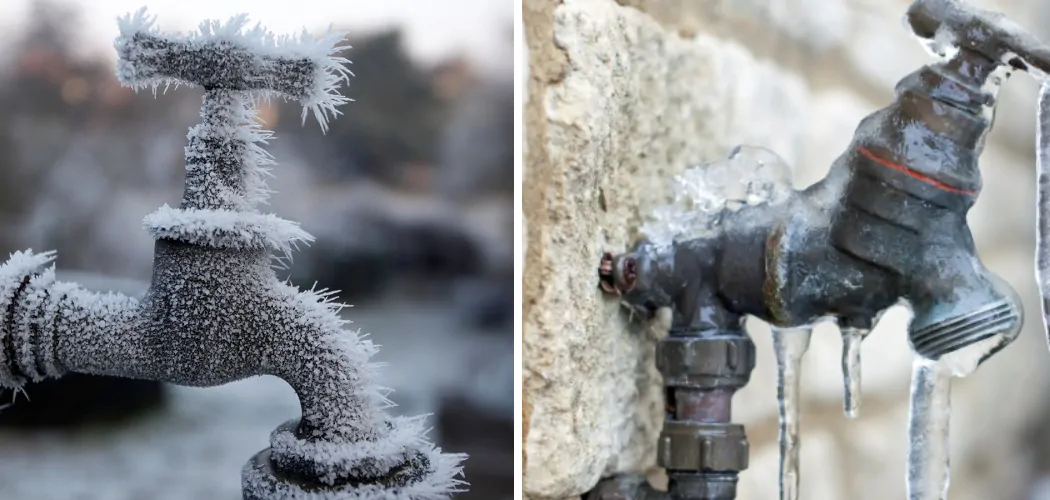
As winter approaches, the cold can put significant strain on your plumbing system. A frozen pipe may seem like a minor problem at first, but it can quickly escalate into water damage and expensive repairs. The good news is that most issues are avoidable with a little early preparation. By sealing drafts, protecting exposed pipes, and paying attention to vulnerable areas in your home, you can prevent a frozen plumbing disaster before it ever begins.
This guide brings together practical steps, simple habits, and clear answers based on what plumbers and homeowners deal with every winter.
Why is Winterizing Your Pipes Important?
When water freezes inside a pipe, it expands. That pressure can crack metal or plastic lines, and once the ice melts, water begins to flow through that crack and leak into your home. Pipes in garages, crawl spaces, outdoor walls, or cold corners of your house freeze first. Winterizing protects these weak points so you are not stuck with emergency repairs on the coldest night of the year.
Which Pipes Are Most at Risk?
Some parts of a home stay warmer than others. When temperatures drop, the pipes in colder areas freeze the fastest. Look for pipes located in:
- Unheated basements
- Crawl spaces
- Attics
- Garages
- Under kitchen and bathroom sinks
- Exterior walls with little insulation
- Outdoor faucets and hose bibs
- Sprinkler or irrigation systems
Walk around your home and note any exposed pipes or areas that feel drafty. These areas will need the most attention before winter.
Insulate and Protect Your Plumbing
Insulation is one of the most effective ways to prevent frozen pipes. Even a small layer of protection can help maintain a safe temperature around your plumbing.
Good insulation options:
- Foam pipe sleeves
- Fiberglass pipe wrap
- Heat tape is used safely and as directed
- Additional insulation in crawl spaces, attics, or basements
Also check for:
- Gaps around plumbing entry points
- Holes near cables or vents
- Drafts along foundation areas
Seal these spots with caulk or foam to keep cold air away from pipes.
Prepare Outdoor Plumbing Before the Freeze
Anything outside your home freezes much faster. Before cold weather arrives, complete these steps:
- Disconnect garden hoses
- Drain hoses and store them indoors
- Shut off the indoor valve that feeds outdoor faucets
- Open exterior spigots to release remaining water
- Install foam faucet covers
- Drain pool and sprinkler lines as recommended by the manufacturer
Never use automotive antifreeze in plumbing systems since it is dangerous to people, pets, and landscaping.
Keep Indoor Temperature Stable
The temperature inside your home plays a big role in preventing frozen pipes.
Helpful habits:
- Keep the temperature at 55°F or higher
- Avoid turning the heat off when leaving town
- Open cabinets under sinks to let warm air reach plumbing
- Keep interior doors open so heat spreads evenly
- Allow a slow drip from faucets on extremely cold nights
Even a light trickle can keep water moving enough to stop a freeze.
If You Plan To Travel, Take Extra Precautions
Cold weather can surprise you while you are away. Preparing your plumbing before a trip is really important.
Before you leave:
- Shut off the main water supply
- Drain faucets by opening all taps
- Flush toilets to clear water
- Set the water heater to vacation mode
- Keep the heating system on low
- Add safe antifreeze to floor drains or toilet bowls if recommended
If your water heater develops a problem before or after a winter trip, water heater repair can help restore hot water and address related plumbing issues.
How To Spot a Frozen Pipe?
You may have a frozen pipe if you notice:
- Little or no water coming from a faucet
- Frost visible on exposed pipes
- A strange smell coming from taps or drains
- Pipes are making unusual noises
Freezing is most likely in unheated or drafty areas. Acting quickly can prevent a burst.
How To Thaw a Frozen Pipe Safely?
If you discover a frozen pipe, use slow, steady heat.
Safe ways:
- Hair dryer
- Electric heating pad
- A portable heater placed at a safe distance
- Warm towels wrapped around the pipe
Never use:
- Blowtorches
- Propane or kerosene heaters
- Anything with an open flame
Do not close the faucet. Keep it open so melting ice can flow out and release pressure. If thawing does not work or you cannot access the frozen area, call a licensed plumber.
What To Do If a Pipe Bursts?
A burst pipe can release a large amount of water quickly.
Act fast:
- Shut off the main water supply
- Open all faucets to relieve pressure
- Turn off the water heater if needed
- Move furniture or items away from the area
- Soak up water or use a wet vacuum
- Call a plumber immediately
Once repairs are complete, dry and ventilate the area to prevent mold.
Make Pipe Winterizing a Yearly Routine
Homes change over time. Insulation wears down, and small gaps reappear. A yearly plumbing inspection can also help identify vulnerable pipes, leaks, and other issues before winter puts additional stress on the system. Make winterizing a habit every fall.
Your yearly checklist:
- Walk through the home and look for drafts
- Check exposed pipes
- Wrap or insulate weak areas
- Disconnect hoses
- Test outdoor faucets
- Confirm indoor heat settings
A little attention each year prevents big problems later.
How to Winterize Pipes in a Vacant Home?
If your home will be empty for an extended period, taking extra precautions is essential to avoid frozen or burst pipes.
- Shut off the main water supply to remove the risk of leaks or bursts while the house is empty.
- Drain all water from pipes, including sinks, tubs, and showers, to prevent standing water from freezing.
- Flush all toilets and empty toilet tanks completely.
- Add a small, plumbing-safe antifreeze to drains to protect traps and prevent freezing in drain lines.
- Keep the heating system set on low rather than turning it off to maintain a minimum temperature inside.
- Double-check exterior faucets and any exposed pipes for extra protection.
How to Winterize Pipes with an Air Compressor?
Some homeowners use an air compressor to remove remaining water from outdoor lines or irrigation systems, which helps prevent freezing. To do this safely,
- Use an air compressor to push out any remaining water from outdoor water lines or irrigation systems.
- Work gradually, starting near the main valve or faucet and moving outward to avoid damaging the pipes.
- Apply low pressure and short, steady bursts to safely clear water without stressing the plumbing.
- Know your plumbing layout before attempting this method to avoid mistakes.
- Only attempt this if you feel confident; otherwise, hiring a licensed plumber is safer.
This method is particularly helpful for sprinkler lines or long outdoor runs that retain water.
How to Keep Pipes from Freezing on an Outside Wall?
Pipes located against exterior walls are especially vulnerable during cold weather because they are exposed to lower temperatures. To protect them
- Insulate pipes located along exterior walls using foam, wrap, or wall insulation.
- Seal drafts near windows, vents, and electrical outlets that could let cold air reach the pipes.
- Keep the indoor temperature steady to prevent sudden drops that increase freezing risk.
- Open cabinet doors under sinks that sit on exterior walls to allow warm air circulation.
- Add temporary heating in cold rooms if needed, like a space heater, keeping safety in mind.
- Check these areas regularly during extreme cold to ensure pipes remain protected.
Why Choose M T Dunn Plumbing for Winter Pipe Protection?
M T Dunn Plumbing brings local experience, skilled workmanship, and modern equipment to every job. The team focuses on dependable plumbing solutions and responsive service, helping homeowners and businesses keep their plumbing systems in good working condition.
Fully Licensed and Insured
We hold all Oregon contractor licenses and bonding to ensure safe, reliable work.
Decades of Local Experience
Over 35 years of serving Portland homes gives us unmatched knowledge of local plumbing challenges.
Around-the-Clock Emergency Support
Plumbing problems don’t wait, and neither do we. Available 24/7 for urgent issues.
Transparent, Upfront Pricing
No hidden fees, surprises, or confusing invoices. You’ll know the cost before we start.
Durable, High-Quality Materials
We use commercial-grade parts for long-lasting repairs and installations.
Fast, Same-Day Service
Most jobs are completed in a single visit, getting your home back to normal quickly.
Frequently Asked Questions
What temperature causes pipes to freeze?
Pipes start freezing around 32°F. They become most vulnerable when temperatures drop near 20°F for several hours. The colder the air and the longer it stays low, the faster freezing happens.
How much water should I run to keep my pipes from freezing
You do not need a strong stream. A slow, steady drip is usually enough to keep water moving inside the pipe. Focus on sinks connected to cold spots or unheated areas.
Does pipe insulation guarantee protection?
No. Insulation is very helpful, but it cannot fully protect pipes on its own. You still need to seal drafts and keep indoor temperatures steady so cold air does not reach exposed plumbing.
Can tankless water heaters stop pipes from freezing?
No. A tankless water heater only warms water while running. It does not prevent the supply lines feeding it from freezing during extremely cold weather, especially if those pipes sit in unheated spaces.
How long does it take a pipe to freeze?
Freezing time varies, but in very cold weather, a pipe can freeze within a few hours. Poor insulation and drafts speed up the process, so vulnerable areas freeze faster than expected.
How long does it have to be below freezing for pipes to burst?
There is no exact timeline, but pipes often run into trouble after several hours of deep cold, especially near 20°F or lower. Poor insulation and drafts make the process faster.