Plumbing Inspections: How Often Do You Need Them?
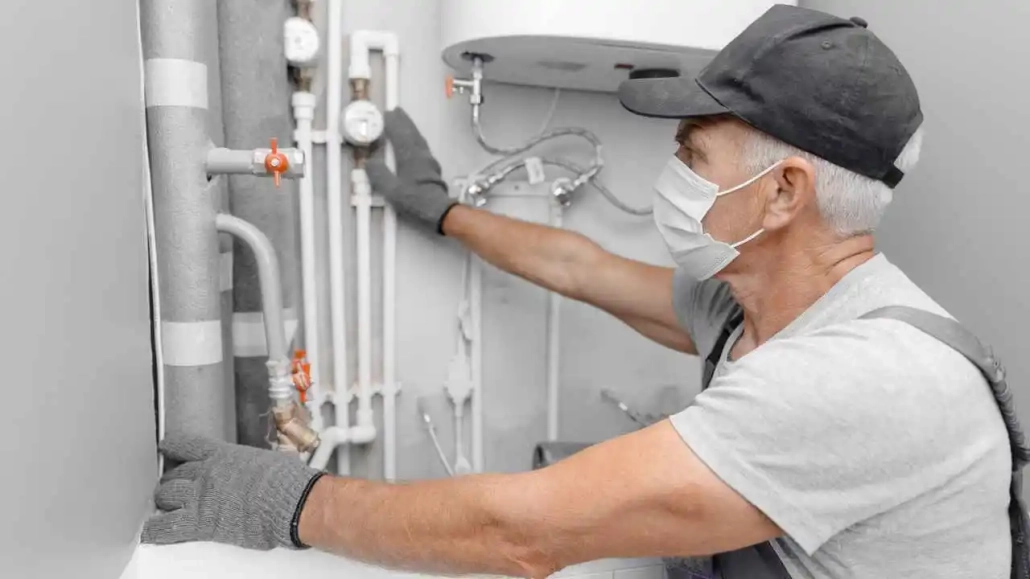
Most homeowners rarely think about their plumbing system until something goes wrong, a faucet starts dripping, a drain backs up, or the water heater suddenly refuses to do its job. But plumbing isn’t just another part of your home. It’s one of the systems that affects nearly everything: bathing, cooking, cleaning, hygiene, and even comfort.
Like anything mechanical, plumbing needs routine check-ups. A plumbing inspection is the easiest way to uncover problems early, avoid expensive surprises, and extend the life of your pipes and fixtures.
What Is a Plumbing Inspection?
A plumbing inspection is a thorough check-up of your home’s entire plumbing system to ensure everything is working safely, efficiently, and without hidden problems. During the inspection, a licensed plumber examines key components such as pipes, fixtures, drains, water supply lines, water heaters, and sewer lines.
The goal is to identify leaks, clogs, corrosion, low water pressure issues, faulty installations, and potential failures before they turn into expensive repairs. A proper plumbing inspection helps homeowners understand the current condition of their plumbing system and plan any necessary maintenance or upgrades.
Why Are Plumbing Inspections Important?
Plumbing inspections are essential because they protect your home, your finances, and your safety. A professional inspection ensures that your plumbing system operates efficiently, is free from hidden problems, and can handle your household’s water needs.
One of the main benefits of a plumbing inspection is early detection of hidden problems. Many plumbing issues start small, such as tiny leaks, slow drains, or minor corrosion, and often go unnoticed until they escalate into costly emergencies. Routine inspections allow plumbers to identify these issues before they cause significant damage, helping homeowners avoid burst pipes, water damage, mold growth, or sewer backups. Fixing small issues early is far more cost-effective than repairing major failures later.
Inspections also save money by reducing the likelihood of expensive repairs and emergency plumbing calls. A properly maintained system runs more efficiently, helping lower water and energy bills. Plumbers can identify inefficiencies in water pressure, faucet operation, and water heater performance, ensuring the system functions optimally.
What Happens During a Professional Plumbing Inspection?
A professional plumbing inspection is a detailed assessment designed to uncover hidden issues before they become costly problems. Licensed plumbers systematically examine every part of your plumbing system to ensure it functions efficiently, safely, and reliably.
Here’s what typically happens during the process:
Visual Assessment of Pipes and Fixtures
The plumber begins with a visual inspection of all accessible pipes, faucets, sinks, toilets, showers, and tubs. They look for signs of leaks, corrosion, water damage, or improper installation. This step helps identify problems that may not be immediately noticeable but could cause bigger issues over time.
Water Pressure Testing
Water pressure is measured throughout the home to ensure it falls within a safe and efficient range. Too high or too low pressure can indicate issues such as leaks, blockages, or faulty pressure regulators. Maintaining proper water pressure protects pipes and appliances from damage.
Water Heater Examination
The water heater is carefully inspected, including the tank, valves, and connections. The plumber checks for rust, sediment buildup, leaks, or signs of wear that could lead to future failures. Ensuring the water heater operates efficiently can prevent costly replacements and improve energy efficiency.
Drain and Sewer Line Evaluation
Drains are tested by running water through sinks, tubs, and toilets to check for slow drainage or backups. For more serious concerns, a plumber may use a sewer camera to inspect the main line for cracks, blockages, or root intrusion. This advanced step helps identify hidden problems that are otherwise difficult to detect.
Shut-Off Valves and Appliance Connections
All shut-off valves, hoses, and appliance connections, such as those for washing machines and dishwashers, are checked for proper function and accessibility. Ensuring these components work correctly can prevent water damage and make emergency shutdowns easier.
Final Report and Recommendations
At the end of the inspection, the plumber provides a detailed report highlighting their findings. This report includes urgent repairs, recommended maintenance, estimated costs, and sometimes photographs of problem areas. It serves as a guide for homeowners to plan maintenance and prevent costly emergencies.
A professional plumbing inspection not only identifies current issues but also helps prevent future problems, giving homeowners peace of mind and confidence in their plumbing system.
What Are the Different Types of Home Plumbing Inspections?
Home plumbing inspections come in several forms, each designed to identify specific issues and keep your system running safely and efficiently. Here are the main types and what they include:
1. Whole-Home Plumbing Inspection
This is the most common and comprehensive inspection. A licensed plumber evaluates:
- Water supply and drain lines
- Faucets, sinks, toilets, showers, and tubs
- Water pressure levels
- Visible piping for leaks, corrosion, or wear
- Water heater condition and safety features
This inspection is typically recommended once a year.
2. Sewer Line Camera Inspection
A specialized inspection in which a plumber inserts a high-resolution camera into your main sewer line. It helps identify:
- Tree root intrusion
- Cracked or collapsed pipes
- Heavy buildup or blockages
- Sagging sections (bellies) in the sewer line
This is especially important for older homes or properties with large trees.
3. Water Heater Inspection
A focused check on the performance and safety of your water heater. Plumbers look for:
- Leaks, rust, or sediment buildup
- Proper temperature and pressure settings
- Functionality of the pressure relief valve
- Signs of wear that indicate impending failure
Regular inspections improve efficiency and extend equipment lifespan.
4. Pre-Purchase or Real Estate Plumbing Inspection
Performed during the home-buying process. It reveals hidden issues such as:
- Undetected leaks
- Slow drains
- Failing fixtures
- Outdated or unsafe materials
This protects buyers from unexpected repairs and helps sellers justify pricing.
5. Emergency Plumbing Inspection
Done when a sudden or severe issue arises. Common emergencies include:
- Burst pipes
- Major leaks
- Sewer backups
- No running water or extremely low pressure
Plumbers quickly diagnose the cause and recommend immediate repairs.
6. New Construction Plumbing Inspection
Required during multiple phases of building a new home:
- Rough-in inspection: Before walls are closed, ensuring pipes and fittings meet code.
- Final inspection: Evaluating fixtures, drains, water lines, venting, and safety systems.
These inspections ensure the home is built safely and up to code.
7. Preventive Maintenance Inspection
A routine, proactive inspection aimed at catching problems early. It focuses on:
- Early leak detection
- Clog prevention
- Pressure irregularities
- Wear and tear on pipes, valves, and fixtures
This helps homeowners avoid major repairs and prolong system lifespan.
How Often Do You Need a Plumbing Inspection?
1. Once a Year (Recommended for Most Homes)
Most professionals suggest an annual plumbing inspection. Even if everything seems fine, hidden issues can develop slowly. An annual check ensures problems are caught while they’re small and affordable to fix.
2. Every Two Years (For Newer Homes)
If your home is less than 10 years old and you haven’t experienced any plumbing problems, you can stretch inspections to every two years. Still, don’t skip them completely, even new systems can develop early wear or pressure imbalances.
3. Before Buying or Selling a Home
A pre-purchase plumbing inspection can reveal what’s behind the walls before you commit. Sellers also benefit, discovering problems early helps avoid surprises during negotiations.
4. After Major Renovations
If you remodel a kitchen, bathroom, or basement, a post-renovation plumbing check ensures everything is properly connected and up to code.
5. When You Notice Warning Signs
Even if you’ve had a recent inspection, call a plumber if you notice:
- Slow drains
- Gurgling sounds
- Low water pressure
- Discolored water
- Spike in water bills
- Damp spots or musty smells
- Frequent clogs
These symptoms often indicate problems you shouldn’t wait on.
What Are the Risks of Skipping Plumbing Inspections?
Neglecting regular plumbing inspections can lead to serious problems that affect your home, finances, and even your health. Without professional checks, minor issues often go unnoticed and develop into major repairs over time.
Undetected Leaks
One of the most common risks is undetected leaks. Small leaks behind walls, under sinks, or in crawl spaces can gradually damage floors, walls, and ceilings. Over time, this can result in structural damage that is expensive and disruptive to repair.
Water Damage and Mold Growth
Even slow leaks or condensation around pipes create damp conditions that encourage mold and mildew growth. Mold can trigger respiratory problems, allergies, and other health issues, making early detection crucial.
Clogs and Sewer Backups
Drains and sewer lines that are not regularly inspected are more likely to develop blockages. Minor clogs can escalate into severe backups, causing water to overflow into sinks, toilets, or basements, creating unsanitary conditions and costly cleanup.
Reduced System Efficiency
Skipping inspections can decrease the efficiency of your plumbing system. Worn valves, corroded pipes, or faulty water heaters can lead to higher water and energy bills. Over time, these inefficiencies may also shorten the lifespan of your plumbing components, forcing premature replacements.
Safety Hazards
Plumbing issues can also pose serious safety risks. Gas leaks from water heaters, faulty pressure relief valves, or backflow problems can be dangerous. Regular inspections help identify and fix these hazards before they threaten your family’s safety.
Skipping plumbing inspections increases the likelihood of property damage, health issues, higher utility costs, and emergency repair expenses. Routine inspections are a small investment that safeguards your home.
What Common Issues Are Found During Routine Plumbing Inspections?
Routine plumbing inspections often reveal hidden problems that, if left unchecked, could lead to expensive repairs and extensive water damage.
Leaking Pipes and Fixtures
Leaks are one of the most common problems discovered during inspections. Pipes, faucets, and valves can develop small leaks due to corrosion, wear, or improper installation.
Clogged or Slow Drains
Drains can become clogged over time from hair, soap residue, grease, and other debris. Slow-draining sinks, tubs, and showers are a warning sign that blockages are forming. Regular inspections help detect these early, preventing backups and potential flooding.
Corrosion and Rust
Older metal pipes are susceptible to corrosion and rust, which can weaken the structure of the pipes and lead to leaks or bursts. Inspectors look for visible rust, pitting, or discoloration, which can indicate that a pipe replacement may be needed.
Water Pressure Problems
Low or inconsistent water pressure is another issue frequently identified during inspections. It can be caused by leaks, clogs, or faulty pressure regulators. Proper water pressure is essential for the efficient operation of showers, faucets, and appliances.
Faulty Water Heaters
Water heaters are inspected for signs of leaks, sediment buildup, corrosion, and malfunctioning valves. These issues can reduce efficiency and increase energy bills.
Sewer Line and Drainage Problems
Routine inspections may also uncover problems in sewer lines, such as cracks, root intrusion, or blockages. Early detection through camera inspections or flow testing can prevent major backups and costly repairs.
Worn-Out Valves and Appliance Connections
Shut-off valves and connections to appliances like washing machines and dishwashers can wear out over time. Inspectors ensure these are functioning correctly to prevent leaks and allow for quick shutdowns in emergencies.
By identifying these common issues during routine inspections, homeowners can avoid emergencies, and protect their property from damage.
How Do DIY Plumbing Checks Compare to Professional Inspections?
Maintaining a healthy plumbing system requires understanding what you can handle yourself and when to call in a professional. DIY checks are helpful for spotting obvious problems, but professional inspections offer a thorough evaluation that ensures long-term safety and efficiency.
| Aspect | DIY Plumbing Checks | Professional Plumbing Inspections |
| Scope | Limited to visible fixtures and exposed pipes. | Comprehensive check of the entire plumbing system, including hidden pipes, sewer lines, and water heaters. |
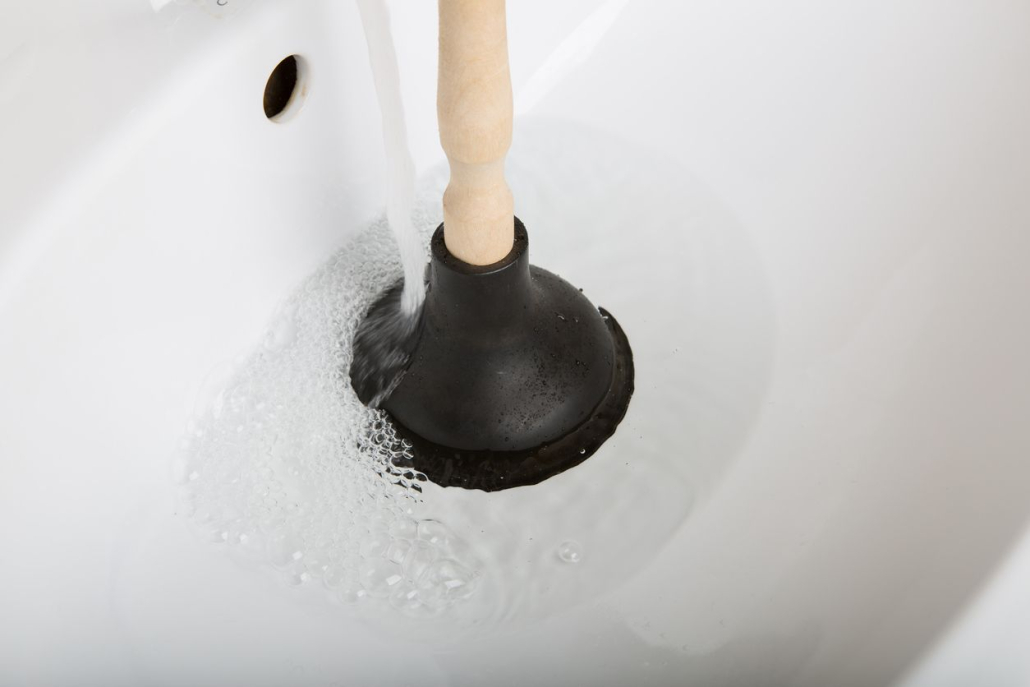
| Tools | Basic tools like wrenches and plungers. | Advanced equipment such as leak detectors, pipe cameras, and pressure gauges. |
| Detection | Often misses hidden leaks, corrosion, or clogs. | Can identify hidden problems before they become serious. |
| Expertise | Depends on homeowner knowledge; risk of misdiagnosis. | Conducted by licensed professionals with trained expertise. |
| Safety | Some tasks can be risky. | Professionals follow safety protocols to prevent accidents. |
| Cost vs. Value | Low cost but limited coverage. | Higher cost but prevents major repairs and emergencies. |
DIY checks can help in a pinch, but professional plumbing inspections are the key to long-term reliability, safety, and confidence for your home.
How Do Emergency Plumbing Services Differ from Preventive Maintenance?
Understanding the difference between emergency plumbing services and preventive maintenance is key to keeping your home’s plumbing system running smoothly. Both are important, but they serve very different purposes.
Emergency Plumbing Services
Emergency plumbing services are reactive. They are called in when a problem has already occurred and requires immediate attention. Common situations include burst pipes, major leaks, overflowing toilets, sewer backups, or a sudden water heater failure. The primary goal of emergency services is to stop damage, restore function quickly, and prevent further property loss. Because these situations are urgent, emergency services often come with higher costs and may involve after-hours work.
Preventive Plumbing Maintenance
Preventive maintenance is proactive. It involves regular inspections, cleaning, and minor repairs to prevent problems before they happen. This includes checking for leaks, testing water pressure, clearing slow drains, inspecting water heaters, and ensuring valves and connections are in good condition. Preventive maintenance helps extend the lifespan of plumbing components, reduces the risk of emergencies, and often saves money by avoiding costly repairs.
The main difference between the two is timing and intent. Emergency services address immediate, often severe problems, while preventive maintenance focuses on routine care to keep the system functioning efficiently. Regular maintenance reduces the likelihood of emergency situations and keeps your plumbing system reliable over time.
What Seasonal Plumbing Considerations Should Portland Metro Homeowners Keep in Mind?
Portland’s Pacific Northwest climate, with its wet winters and mild summers, can create unique challenges for residential plumbing. Being aware of seasonal impacts and taking preventive measures helps homeowners avoid damage and maintain an efficient plumbing system year-round.
Winter Considerations
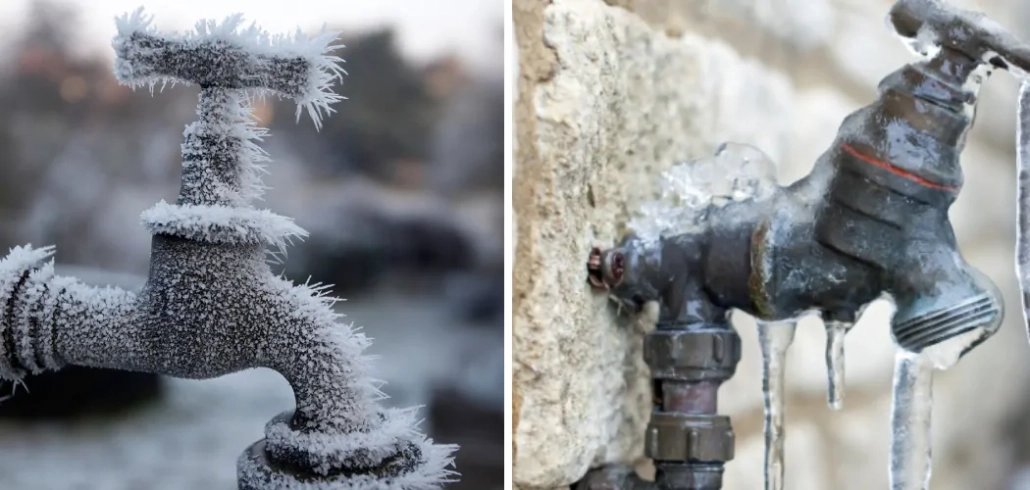
Portland winters are typically rainy and damp, which can put stress on plumbing systems. Heavy rainfall can overwhelm gutters, downspouts, and sewer lines, leading to backups or flooding. Inspecting and clearing outdoor drains, checking sump pumps, and ensuring proper roof drainage can prevent water damage. Additionally, cold snaps can cause pipes in unheated areas to freeze, so insulation and careful monitoring are important.
Spring Maintenance
Spring is the perfect time for a comprehensive plumbing check. After winter rains, homeowners should inspect for leaks, corrosion, or minor pipe damage. Flushing water heaters, cleaning drains, and checking irrigation systems are recommended to ensure the plumbing system is ready for increased use during the dry months.
Summer Considerations
Portland summers are generally dry, which can increase water demand for landscaping, irrigation, and outdoor activities. This additional usage can strain older plumbing systems or water heaters. Homeowners should check for leaks, monitor water pressure, and maintain water heaters to ensure optimal performance during peak usage.
Fall Preparation
Fall is the time to prepare for the wet season ahead. Cleaning gutters, inspecting outdoor drains, and checking sewer lines can help prevent blockages or flooding. It’s also a good opportunity to test emergency shut-off valves and address any plumbing issues that arose over the summer months.
By taking these seasonal steps, Portland metro homeowners can protect their plumbing system, prevent emergencies, and ensure reliable water flow throughout the year.
Why Choose M.T. Dunn Plumbing for Expert Plumbing Solutions in Hillsboro, Oregon?
Homeowners and businesses in the Portland metro area need a plumbing team they can trust for both everyday maintenance and unexpected emergencies. With years of experience, the service combines technical expertise, modern equipment, and a focus on customer satisfaction.
Skilled and Licensed Professionals
The team handles everything from routine inspections to complex repairs and installations, ensuring each task is completed safely, efficiently, and to high standards.
Wide Range of Services
Whether it’s a minor leak, clogged drain, water heater issue, or larger plumbing project, all aspects of residential and commercial plumbing are covered, providing a single point of contact for all needs.
Modern Tools and Techniques
Using advanced equipment, problems are accurately diagnosed and resolved quickly. Services include leak detection, pipe inspections, and sewer line evaluations to prevent further damage.
Customized Solutions
Each situation is assessed individually, with clear explanations and recommendations that fit the client’s needs and budget. This approach helps prevent future problems while addressing current issues effectively.
Reliability and Peace of Mind
Clients can trust that their plumbing system is well-maintained and protected. Professional, dependable service ensures systems run smoothly and emergencies are handled quickly.
Frequently Asked Questions
What Is the 1.35 Rule in Plumbing?
The 1.35 rule in plumbing is a guideline for sizing pipes to ensure adequate water flow and pressure. It multiplies the fixture load by 1.35 to determine the minimum pipe diameter for efficient system performance.
Can I do plumbing inspections myself?
Homeowners can perform basic checks for visible leaks, slow drains, or dripping faucets. However, professionals can detect hidden problems inside walls, under floors, or within sewer lines using specialized tools.
Can M.T. Dunn Plumbing inspect outdoor plumbing systems?
Yes. They check outdoor faucets, irrigation systems, drainage pipes, and sump pumps to prevent seasonal issues and water damage.
Are plumbing inspections worth the cost?
Yes. Regular inspections help prevent costly repairs, water damage, and plumbing emergencies, saving money in the long term.
Does M.T. Dunn Plumbing handles plumbing for newly built homes?
Yes. Even new homes benefit from inspections to ensure installations are correct and minor issues are addressed early.