
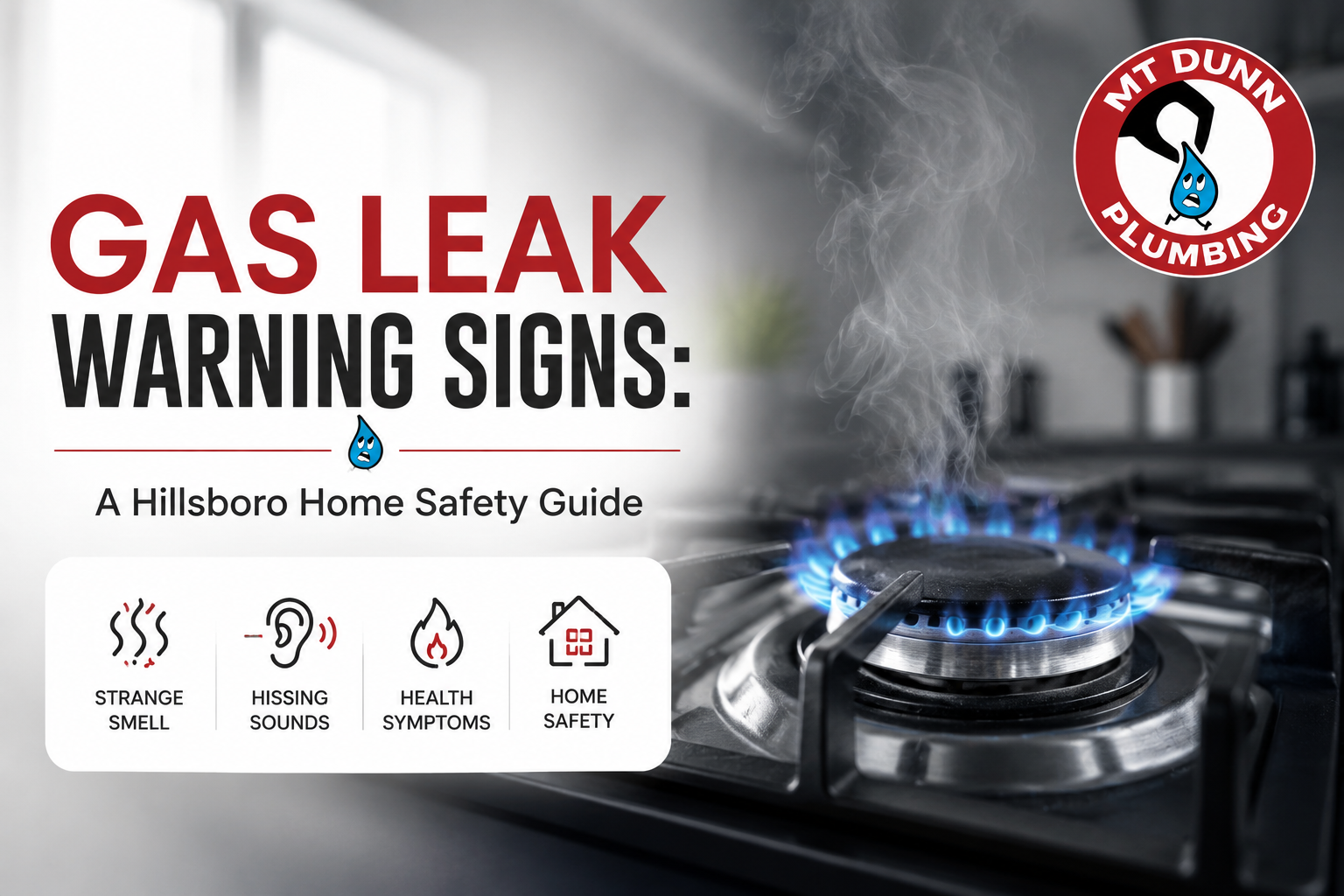
Gas leaks can develop unexpectedly and create serious safety risks for Hillsboro households. Recognizing warning signs early can help homeowners respond quickly and reduce the risk of fire, explosion, or harmful gas exposure. Understanding how gas leaks may appear around appliances, pipes, and outdoor areas is an important part of maintaining a safer home for everyone.
Common indicators include a rotten-egg smell, hissing sounds near gas appliances, unusual pilot light behavior, dead vegetation, or unexplained physical symptoms. Homeowners should never ignore unusual odors or changes around gas equipment. Regular appliance maintenance, proper ventilation, and quick attention to suspicious signs can help prevent dangerous situations and protect both people and property.
What Does a Natural Gas Leak Smell Like?
One of the most recognizable signs of a natural gas leak is a strong sulfur-like odor. Natural gas itself does not have a natural smell, so an odorant is added to make leaks easier to detect. Many people describe the smell as similar to rotten eggs or sulfur. If you notice this unusual odor inside your home, near an appliance, in a garage, or around your property, do not assume it is harmless. Even if the smell seems faint, treat it as a potential gas leak until the situation has been evaluated.
The odor may be stronger in some areas than others depending on where the gas is accumulating and how air is moving through the house. Opening doors, running fans, or other ventilation can also change how noticeable the smell is.
What Are the Most Common Gas Leak Warning Signs?
Recognizing multiple warning signs is important because not every gas leak will be immediately obvious. Some leaks produce a noticeable odor, while others may be associated with appliance problems or physical symptoms.
A Rotten-Egg or Sulfur-Like Smell
A sulfur or rotten-egg smell is one of the clearest warning signs. If this odor appears suddenly or becomes stronger near a gas appliance, there may be a problem with the appliance, connection, piping, or gas supply.
Do not try to locate the leak yourself by inspecting connections closely or using a flame. Leave the area and contact the appropriate emergency service or gas utility from a safe location.
Hissing or Whistling Sounds
A hissing, whistling, or blowing sound near a gas line or appliance can indicate escaping gas. The sound may be easier to hear when the surrounding environment is quiet.
Pay attention to unusual noises around furnaces, water heaters, fireplaces, gas meters, and other gas-powered equipment. A persistent sound should be treated seriously, especially if it occurs along with a gas odor.
Dead or Discolored Vegetation
A gas leak outside your home can sometimes affect nearby plants. If grass, shrubs, or other vegetation suddenly becomes brown, wilted, or dead in a concentrated area near a gas line, there may be an underground gas leak.
Other factors can also damage vegetation, including disease, drought, chemicals, and drainage problems. However, unexplained vegetation damage near gas infrastructure deserves professional attention.
Bubbles in Standing Water
Escaping gas from an underground line may sometimes disturb soil or water. If you notice unexplained bubbling in puddles or standing water near a gas line or meter, it may indicate a leak.
Never investigate by digging around the suspected area. A professional should evaluate the situation because disturbing underground utility lines can create additional hazards.
Appliances That Do Not Operate Normally
Gas appliances can show signs of trouble when there is a supply, combustion, ventilation, or mechanical problem. A furnace that repeatedly shuts down, a water heater that behaves unusually, or a stove burner that does not operate properly should not be ignored.
An appliance problem does not automatically mean there is a gas leak. However, unusual operation combined with a gas odor, strange sounds, or visible damage warrants immediate attention.
Yellow or Orange Burner Flames
A properly functioning gas appliance commonly produces a blue flame. A yellow, orange, or irregular flame can indicate incomplete combustion or another combustion problem.
This does not necessarily mean there is a gas leak, but it can indicate that the appliance needs professional inspection. Incomplete combustion can also increase the risk of carbon monoxide production.
Physical Symptoms
Gas-related hazards can sometimes cause physical symptoms. Depending on the circumstances, people exposed to unsafe conditions may experience headaches, dizziness, nausea, weakness, confusion, or unusual fatigue.
These symptoms can have many causes, so they should not automatically be attributed to a gas leak. However, if several people in the home experience unexplained symptoms at the same time, especially while gas appliances are operating, leave the building and seek fresh air and appropriate emergency assistance.
Where Do Gas Leaks Commonly Occur in a Hillsboro Home?
Gas leaks can occur at different points throughout a home’s gas system. Understanding common problem areas can help homeowners recognize unusual conditions.
Gas Appliances
Furnaces, water heaters, ranges, fireplaces, dryers, and other gas appliances contain connections and components that can develop problems over time. Age, corrosion, wear, improper installation, or damaged parts can contribute to leaks.
Regular professional maintenance helps identify developing issues before they become more serious.
Gas Supply Lines
Gas piping connects appliances to the home’s gas supply. Damaged, corroded, improperly connected, or deteriorated piping can potentially leak.
Changes to a home’s layout, remodeling work, or accidental damage can also affect gas lines. Gas piping should only be installed, modified, or repaired by appropriately qualified professionals.
Flexible Appliance Connectors
Flexible connectors are used with certain gas appliances to make installation easier. Over time, connectors can deteriorate or become damaged, particularly if they have been improperly installed or subjected to physical stress.
A qualified professional can inspect connectors and other connections as part of a gas-system evaluation.
Gas Meter and Exterior Lines
The gas meter and exterior piping are additional areas where problems can occur. If you notice a strong gas odor around the meter or hear an unusual hissing sound outside, keep away from the area and contact the gas utility or emergency services from a safe location.
Do not attempt to repair or manipulate the meter yourself.
What Should You Do If You Suspect a Gas Leak?
If you suspect a gas leak, your first priority should be getting everyone to a safe location. Do not delay your response while trying to determine exactly where the gas is coming from.
Leave the Building
Get everyone out of the home immediately if you strongly suspect a gas leak. Do not stay inside to investigate, gather belongings, or search for the source.
If you can leave safely, move away from the building and keep other people away from the suspected area.
Avoid Flames and Sparks
Do not light matches, candles, cigarettes, or other flames. Avoid anything that could create a spark.
Do not operate electrical switches, appliances, garage-door openers, or other equipment if doing so could create a spark inside the affected area. Leave the building first.
Do Not Use Your Phone Inside the Suspected Area
If you need to call for assistance, move to a safe location away from the suspected gas leak before using your phone.
Contact the appropriate gas utility emergency service or local emergency services and explain that you suspect a natural gas leak.
Do Not Try to Find the Leak Yourself
Trying to locate a leak with a lighter, match, electrical equipment, or other unsafe method can create a dangerous ignition source.
Gas leaks should be investigated and repaired by qualified professionals using appropriate detection equipment and procedures.
Do Not Re-Enter Until It Is Safe
After leaving, do not return to the building simply because the odor seems to have disappeared. The gas may still be present, or the source may not have been addressed.
Wait for the appropriate utility, emergency personnel, or qualified professional to determine when it is safe to return.
How Can Hillsboro Homeowners Prevent Gas Leaks?
Although homeowners cannot prevent every possible gas-system failure, regular maintenance can reduce avoidable risks.
Schedule Professional Appliance Maintenance
Have gas furnaces, water heaters, fireplaces, and other fuel-burning equipment inspected and maintained according to manufacturer recommendations.
Professional maintenance can identify worn components, combustion problems, damaged connections, ventilation issues, and other developing concerns.
Inspect Older Appliances
Older appliances deserve particular attention. Age does not automatically mean an appliance is unsafe, but components can wear out over time.
If an appliance frequently needs repairs, performs inconsistently, produces unusual flames, or makes unfamiliar sounds, have it professionally evaluated.
Keep Gas Appliances Accessible
Do not surround furnaces, water heaters, or other gas equipment with boxes, furniture, stored belongings, or combustible materials.
Keeping these areas clear makes inspections and maintenance easier while reducing the possibility of accidental damage.
Avoid DIY Gas-Line Repairs
Gas piping is not an appropriate DIY repair project. Incorrect installation or modification can create leaks and other serious hazards.
Whether you are replacing an appliance, remodeling a kitchen, finishing a basement, or changing the layout of your home, gas-line work should be completed by an appropriately qualified professional.
Why Choose M T Dunn Plumbing for Gas Leak Detection and Plumbing Services in Hillsboro, OR?
M T Dunn Plumbing is a trusted choice for homeowners in Hillsboro, OR, who need dependable plumbing assistance when gas leak warning signs appear. Their experienced professionals can assess plumbing and gas-related concerns, identify potential problems, and recommend appropriate solutions to help keep your home and family safe.
Choosing M T Dunn Plumbing means getting professional service focused on safety, reliability, and lasting results. Whether you notice unusual odors, damaged gas lines, or other warning signs, their team can provide knowledgeable guidance and plumbing support. For Hillsboro homeowners, fast professional attention can help prevent serious property damage and hazards.
Frequently Asked Questions
Can a gas leak make you feel sick?
Yes, exposure to natural gas can cause symptoms such as headaches, dizziness, nausea, fatigue, and difficulty concentrating. If multiple people in the home experience unexplained symptoms at the same time, leave the property and seek fresh air.
Can an old gas line cause a leak?
Yes, older gas lines and connections can deteriorate because of corrosion, physical damage, wear, or aging components. Professional inspection can help identify weakened sections, faulty fittings, or other conditions that could increase the risk of a gas leak.
Can a gas furnace develop a leak?
Yes, a gas furnace has several components and connections that can potentially develop problems. Unusual odors, abnormal operation, damaged components, or other warning signs should be professionally evaluated rather than ignored or repaired without the appropriate expertise.
Can a water heater cause a gas leak?
Yes, gas water heaters have gas supply connections, valves, and other components that can potentially develop leaks. If you notice a gas odor around your water heater, avoid attempting repairs and have the system assessed by a qualified professional.
Can a gas leak happen in a newly built Hillsboro home?
Yes, although newer homes generally have newer components, leaks can still result from installation problems, damaged connections, faulty fittings, or appliance issues. A new home’s age does not eliminate the need to take unusual gas odors or other warning signs seriously.
How does M T Dunn Plumbing help with gas safety?
M T Dunn Plumbing helps Hillsboro homeowners address plumbing concerns involving gas lines and related systems. Professional assessment can identify potential issues, determine necessary repairs, and help homeowners avoid unsafe DIY work when dealing with gas-related problems.