
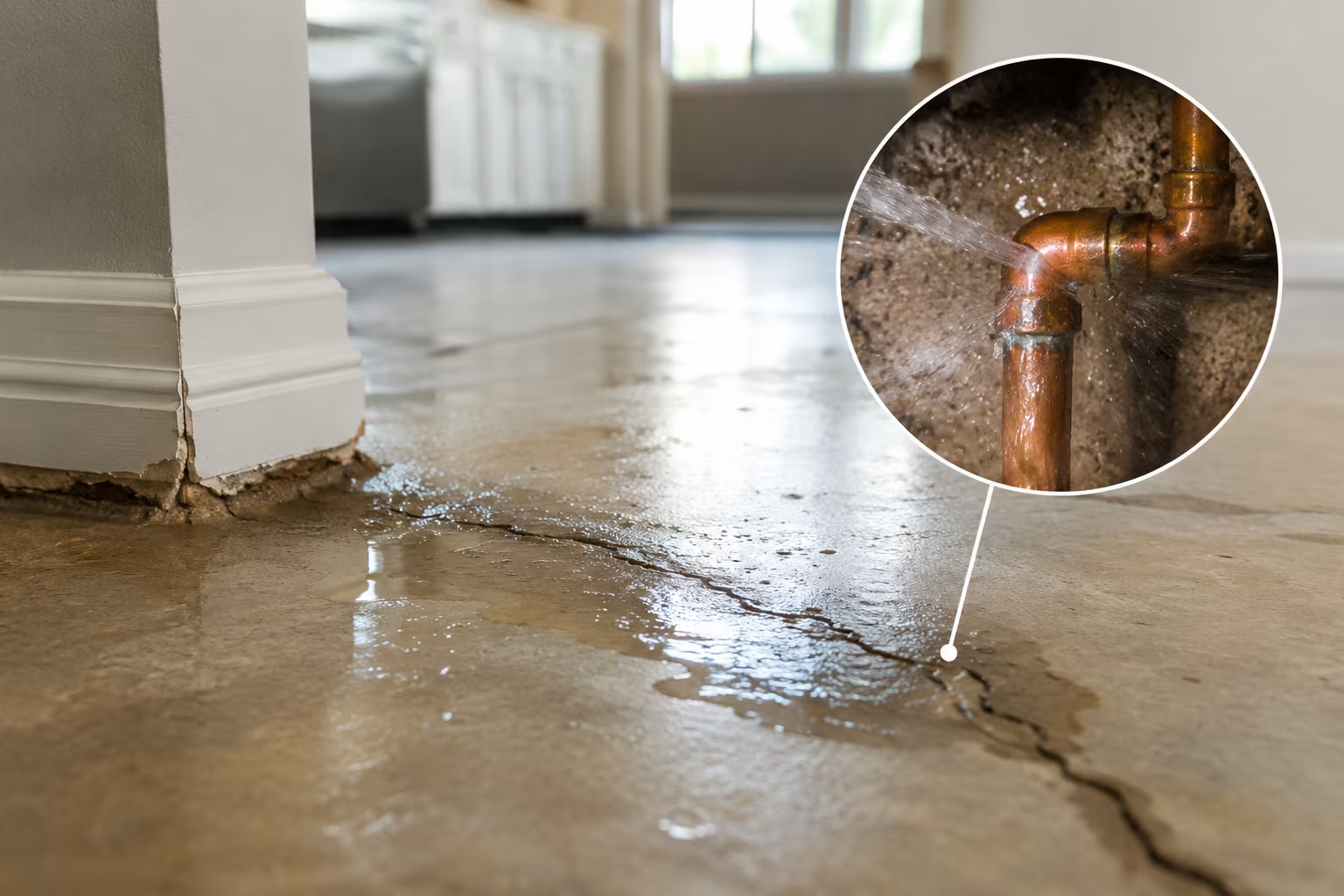
A slab leak can develop beneath a home’s concrete foundation without producing an obvious puddle or visible pipe damage. Instead, your floors may reveal subtle changes that indicate water is escaping below the surface. Warm flooring, damp areas, unusual sounds, cracked surfaces, or sudden water-bill increases can all deserve attention.
For Hillsboro homeowners, recognizing these warning signs early can help prevent unnecessary water waste and reduce the risk of damage to flooring, walls, and other parts of the home. Hillsboro Water also recommends checking the water meter when all known water use is turned off. If the meter continues registering flow, a leak may be present.
What Is a Slab Leak?
A slab leak occurs when a water pipe located beneath a concrete foundation develops a crack, pinhole, damaged connection, or other failure that allows water to escape. Because the plumbing is hidden below the slab, homeowners often cannot see the actual leak.
Instead, the first clues may appear above the floor. Escaping water can move through soil and concrete before eventually affecting flooring or nearby areas. This makes slab leaks different from ordinary plumbing leaks because the source may remain hidden while the symptoms gradually become more noticeable.
A slab leak may involve either a hot-water or cold-water line. The exact symptoms depend on the location, size, and type of leak, as well as the flooring installed over the affected area.
What Are the Signs of a Slab Leak in Hillsboro?
A slab leak can remain hidden beneath your home’s concrete foundation, but it often creates noticeable changes around your floors and plumbing system. Hillsboro homeowners should watch for several warning signs, especially when multiple symptoms appear together.
The following signs can help you recognize a possible slab leak and determine when professional plumbing inspection may be necessary.
1. Warm Spots on Your Floor
An unexplained warm spot on your floor can indicate a possible hot-water line leak beneath the slab. Escaping hot water may heat the concrete and flooring above it, creating a noticeable temperature difference. If one section remains warmer than surrounding areas without an obvious heating source, Hillsboro homeowners should consider having the area professionally inspected for a hidden plumbing leak.
2. Damp or Wet Flooring
Unexpected dampness is another warning sign worth investigating. Water escaping beneath a concrete slab can travel through surrounding materials and eventually reach flooring surfaces. You may notice damp carpet, wet edges, or moisture appearing without a recent spill. Persistent moisture should not be ignored because continued water exposure can damage flooring and indicate an underlying plumbing problem beneath your home.
3. Buckled or Warped Floors
Moisture beneath your slab can affect certain flooring materials, particularly wood and engineered flooring. You might notice boards swelling, separating, warping, or buckling unexpectedly. While these changes can have other causes, unexplained flooring damage combined with increased water usage or dampness deserves attention. Identifying the moisture source early can help prevent more extensive flooring and plumbing damage.
4. Unusual Cracks in Flooring
New cracks appearing across floors can sometimes accompany plumbing or foundation concerns. A crack alone does not prove that you have a slab leak because concrete naturally develops cracks for various reasons. However, unexplained cracks combined with damp areas, warm spots, or other plumbing symptoms should be professionally evaluated. Early inspection can help determine whether plumbing or another issue is responsible.
5. Sounds of Running Water
Hearing water running when every faucet, shower, appliance, and toilet appears unused can signal a hidden leak. A pressurized pipe beneath the slab may produce hissing, rushing, or dripping sounds as water escapes. These sounds can become easier to notice when the home is quiet. If unexplained water sounds continue, professional leak detection can help locate the source.
6. Higher Water Bills
A sudden, unexplained increase in your water bill may indicate that water is escaping somewhere in your plumbing system. A slab leak can continuously waste water even when household fixtures are turned off. However, running toilets, irrigation problems, and other leaks can produce similar increases. Checking your meter and having the plumbing system inspected can help identify the cause.
7. Low Water Pressure
A noticeable drop in water pressure throughout your home can sometimes indicate a significant plumbing leak. If a pressurized water line beneath the slab is losing water, less pressure may reach faucets and other fixtures. Low pressure can have several causes, including fixture problems or municipal supply issues. Persistent unexplained pressure changes should therefore receive professional attention.
8. Musty or Damp Odors
A persistent musty smell around floors or lower walls can indicate unwanted moisture. Water escaping beneath the slab may create damp conditions that eventually produce noticeable odors. This sign is especially important when there is no obvious spill or surface leak. If unusual smells occur alongside wet flooring or increased water usage, investigating the hidden plumbing system is worthwhile.
9. Mold or Mildew Growth
Unexpected mold or mildew near flooring, baseboards, or lower walls can sometimes indicate an ongoing moisture problem. A slab leak may allow water to accumulate beneath or around parts of your home, creating conditions where mold can develop. Mold has many possible causes, so it does not confirm a slab leak. However, unexplained growth should prompt moisture and plumbing investigation.
10. Unexplained Water Meter Activity
Your water meter can provide an important clue when you suspect a hidden leak. Turn off faucets, appliances, irrigation, and other water sources, then check whether the meter continues registering water use. Ongoing activity can indicate a leak somewhere on your property. If the meter shows continued flow, professional testing can help determine whether the problem is beneath your slab.
What Causes Slab Leaks in Hillsboro Homes?
Slab leaks can develop for different reasons. The age and condition of the plumbing system, installation quality, pipe material, water pressure, and environmental conditions can all influence the likelihood of pipe failure.
Common causes can include:
Aging Plumbing
Older pipes can gradually deteriorate, making them more vulnerable to pinhole leaks, corrosion, cracks, or other failures.
Pipe Corrosion
Corrosion can weaken certain plumbing materials over time. Small imperfections may eventually become leaks.
Pipe Movement
Plumbing lines beneath a slab can experience stress when surrounding materials shift or settle.
High Water Pressure
Excessive pressure can place additional stress on plumbing components and connections.
Installation Problems
Improper installation, inadequate protection, or insufficient clearance can contribute to premature pipe wear.
Ground or Structural Movement
Changes in soil conditions or movement around the foundation can place stress on underground plumbing.
These causes do not mean that every older Hillsboro home will develop a slab leak. They simply represent factors that can contribute to plumbing problems beneath concrete.
How Is a Slab Leak Different From a Regular Plumbing Leak?
The biggest difference is location.
A regular plumbing leak may occur under a sink, behind a wall, around a toilet, near a water heater, or at an exposed connection. These problems can often be inspected directly.
A slab leak occurs beneath the concrete foundation, making the actual pipe difficult to access.
This is why surface symptoms can be misleading. A wet floor does not necessarily mean the leak is directly beneath that exact spot. Water can travel through soil, concrete, and other materials before becoming visible.
Professional leak detection is therefore useful for locating the actual source before unnecessary demolition begins.
How Do Professionals Detect a Slab Leak?
Professional detection generally starts with confirming that a leak exists and narrowing down where it may be located.
Depending on the property and symptoms, technicians may use water-meter observations, pressure testing, acoustic equipment, moisture measurements, and thermal imaging.
Water and Pressure Testing
Testing can help determine whether a pressurized plumbing line is losing water.
Electronic Leak Detection
Specialized equipment can help technicians listen for the sound created by escaping water beneath the slab.
Thermal Imaging
Temperature differences can help identify areas that deserve closer inspection, particularly when a hot-water line is involved.
Moisture Detection
Moisture meters and related tools can help identify areas where water has accumulated.
The objective is to locate the problem as accurately as possible before deciding how to access and repair the pipe.
What Happens If You Ignore a Slab Leak?
A hidden leak can continue wasting water and exposing surrounding materials to moisture.
Over time, persistent water can affect flooring, create damp conditions, contribute to unpleasant odors, and increase the possibility of more extensive property damage. The longer a leak continues, the more difficult it may become to limit the resulting damage.
A slab leak can also become harder to manage when the initial plumbing problem is accompanied by flooring restoration or other repairs.
That is why early investigation is generally preferable to waiting until a large wet area or major flooring failure appears.
What Should You Do If You Suspect a Slab Leak?
Start by taking the warning signs seriously without assuming that every floor problem is a slab leak.
Turn off known water sources and check your water meter. If the meter continues registering flow when water should not be running, you have evidence that a leak may exist. Hillsboro Water recommends using the home’s shut-off valve and meter to help determine whether the leak is inside or outside the home.
If you cannot identify the source, contact a licensed plumbing professional for further diagnosis. Avoid breaking through the floor yourself because unnecessary excavation can increase damage and make the eventual repair more complicated.
If water is actively accumulating or causing immediate property damage, shut off the home’s water supply if it is safe to do so and seek prompt professional assistance.
Why Choose M T Dunn Plumbing for Slab Leak Detection and Repair in Hillsboro?
At M T Dunn Plumbing, we use professional leak detection methods to identify hidden slab leaks in Hillsboro homes. Our process can include water meter and pressure testing, electronic leak detection, thermal imaging, and moisture scanning. We focus on locating the source accurately before beginning repairs, helping reduce unnecessary disruption.
We handle both hot- and cold-water slab leaks and recommend repair options based on each situation. Whether targeted access or pipe rerouting is appropriate, our goal is to provide a practical solution while minimizing unnecessary damage to flooring and the foundation. We serve Hillsboro homeowners with careful, professional plumbing services.
Frequently Asked Questions
Can M T Dunn Plumbing detect slab leaks in Hillsboro?
Yes, M T Dunn Plumbing provides slab leak detection and repair services in Hillsboro, using professional methods to locate hidden leaks and determine an appropriate repair solution.
What should I do if I suspect a slab leak in my Hillsboro home?
Turn off unnecessary water use, check your water meter, and contact a professional plumber for diagnosis. Avoid breaking through the floor yourself before the leak is accurately located.
Can a slab leak damage flooring?
Yes, continued moisture can affect certain flooring materials, potentially causing swelling, warping, buckling, staining, or other damage depending on the flooring type and duration of exposure.
Can a slab leak cause mold?
Persistent moisture can create conditions favorable to mold growth. If mold or mildew appears alongside unexplained flooring moisture, investigating the underlying plumbing and moisture source is recommended.
How long can a slab leak go unnoticed?
There is no fixed timeframe. A small leak may remain hidden for a long period, while a larger leak can produce noticeable floor, water-pressure, or water-bill changes quickly.