10 Simple Ways to Keep Your Drains from Clogging

10 Simple Ways to Keep Your Drains from Clogging

Clogged drains are one of those household problems that can quickly turn from a minor inconvenience into a major headache. Slow-draining sinks, backed-up showers, and smelly toilets can disrupt your daily routine and even lead to expensive plumbing repairs. The good news? Most drain problems are completely preventable. With a little attention and consistent care, you can keep your drains clear and running smoothly.
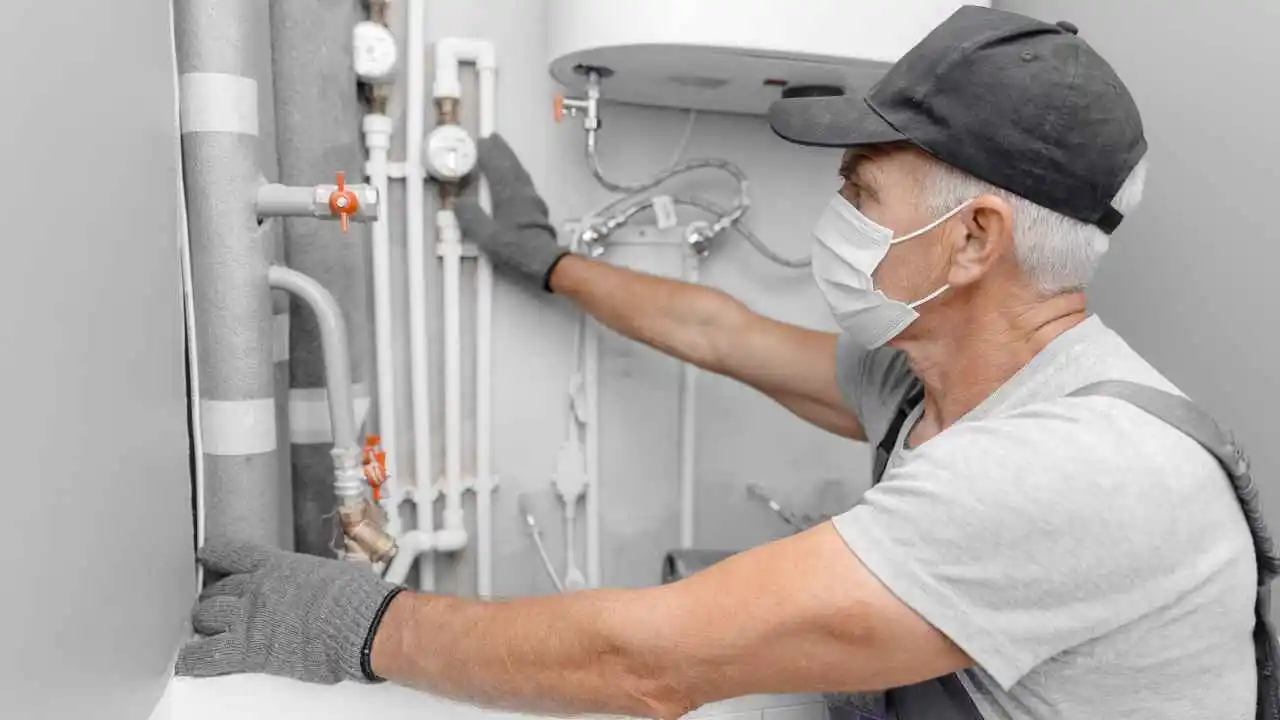
Here are 10 simple, practical ways to prevent clogged drains in your home.

1. Always Use Drain Strainers

One of the easiest ways to prevent clogs is to install drain strainers. These inexpensive screens catch hair, food particles, and other debris before it can enter your pipes.

  • Kitchen: A sink strainer prevents scraps, like rice, coffee grounds, and small food particles, from sliding down the drain and forming blockages.
  • Bathroom: Hair is the biggest culprit in bathroom clogs. A simple hair catcher in your shower or bathtub drain can save you hours of frustration.

Clean your strainers regularly, daily in the kitchen and at least weekly in the bathroom to keep them effective. A clean strainer is a first line of defense against clogs.

2. Never Pour Grease or Oil Down the Sink

Pouring grease, oil, or fats down the kitchen sink is a surefire way to create clogs. While they may look like liquids when hot, they solidify as they cool and coat the inside of your pipes. Over time, this creates a stubborn blockage.

How to handle grease safely:

  • Let grease cool and pour it into a disposable container or jar, then throw it in the trash.
    Wipe greasy pans with a paper towel before washing them.
  • Avoid rinsing grease down the drain even with hot water this only moves it further down, where it may solidify.

This small habit can save you a lot of trouble and prevent costly repairs down the road.

3. Run Hot Water Regularly

Flushing your drains with hot water once a week can make a big difference. It helps dissolve small accumulations of soap, grease, and other residues that naturally build up in pipes.

Tips:

  • Boil a kettle of water or use hot tap water and slowly pour it down your drains.
  • Focus on sinks and tubs where soap scum and grease tend to accumulate.

Think of this as giving your pipes a mini “cleaning session” each week, it’s quick, easy, and highly effective.

4. Only Flush What Belongs in the Toilet

Toilet clogs are often caused by flushing items that shouldn’t go down there. Only human waste and toilet paper are safe.

Avoid flushing:

  • Wet wipes (even those labelled “flushable”)
  • Paper towels and tissues
  • Sanitary products or tampons
  • Cotton balls or dental floss

Keep a small trash can in every bathroom to encourage proper disposal. Educating kids and housemates on what can and cannot be flushed goes a long way in preventing blockages.

5. Use Baking Soda and Vinegar as a Natural Cleaner

Chemical drain cleaners may seem like a quick fix, but they can damage pipes over time. A safer, natural option is baking soda and vinegar. This combination helps break down minor clogs and leaves your drains smelling fresh.

How to do it:

  1. Pour ½ cup of baking soda down the drain.
  2. Follow with ½ cup of vinegar.
  3. Let it sit for 15-30 minutes as it fizzes and loosens debris.
  4. Flush with hot water.

Doing this once a month can keep your drains healthy and prevent serious blockages without harsh chemicals.

6. Clean Your P-Trap

The P-trap is the curved section of pipe under your sinks that prevents sewer gases from entering your home. Over time, it can collect hair, food particles, and debris, which can slow down drainage.

How to clean it:

  1. Place a bucket under the P-trap to catch water.
  2. Unscrew the slip nuts and remove the trap.
  3. Clear out any debris and rinse it thoroughly.
  4. Reassemble and test for leaks.

Cleaning the P-trap a couple of times a year can prevent slow drains and unpleasant smells from forming in your home.

7. Be Careful with Garbage Disposals

Garbage disposals are convenient, but they can clog easily if you’re not careful. Certain foods are particularly problematic.

Avoid putting down your disposal:

  • Fibrous vegetables like celery, corn husks, or asparagus
  • Starchy foods like potato peels or pasta, which can turn into paste
  • Coffee grounds, which can clump and stick

Always run cold water while using the disposal to help move debris through the pipes and solidify any fats. Avoid overloading the disposal, feed small amounts at a time.

8. Minimize Soap Scum Build-Up

Soap scum in bathroom drains is a common problem. It’s formed from a combination of soap, shampoo, and minerals in water. Over time, it sticks to pipes and slows drainage.

Prevention tips:

  • Consider using liquid soaps instead of bar soaps, which leave less residue.
  • Occasionally flush drains with hot water or a baking soda solution.
  • Wipe down sinks and tubs regularly to prevent scum from building up.

These small actions keep your bathroom drains flowing smoothly and your pipes free from buildup.

9. Schedule Professional Plumbing Maintenance

Even with careful habits, drains can develop hidden buildup or minor clogs over time. Scheduling routine maintenance with a licensed plumber can prevent bigger problems down the line.

Professional plumbers can:

  • Inspect pipes using cameras to identify blockages or weak spots
  • Remove stubborn buildup that home remedies can’t handle
  • Provide guidance on preventive measures tailored to your home

Think of this as investing in long-term protection for your plumbing system.

10. Educate Everyone in Your Household

Prevention only works if everyone in your home is on the same page. Educate family members and housemates about proper drain habits.

Tips:

  • Scrape food off plates before washing
  • Never pour grease down the sink
  • Avoid flushing non-flushable items
  • Use strainers in sinks and tubs and clean them regularly

A little awareness goes a long way. When everyone follows the same rules, your drains will stay clear with minimal effort.

Common Causes of Clogs vs. How to Prevent Them

To keep your plumbing healthy, it’s important to know why clogs happen. This table highlights the leading causes and how you can prevent each one.

Cause of Clog Why It Happens How to Prevent It
Grease buildup Cools and hardens in pipes Avoid pouring fats; use a grease container
Hair Collects and binds with soap Use drain strainers
Soap scum Hard water reaction with soap Rinse with hot water weekly
Food scraps Stick to pipe walls Use sink strainers; avoid dumping leftovers
Wipes & cotton items Don’t break down Only flush toilet paper
Mineral buildup Hard water deposits Install water softener

When you know what causes blockages, preventing them becomes much easier. A few small changes can keep your drains flowing smoothly.

What Are the Risks of Ignoring a Clogged Drain?

Ignoring a clogged drain is like ignoring a warning light in your home plumbing, it rarely ends well.

1. Slow Drainage Can Turn Into a Complete Blockage

Clogs rarely fix themselves. What starts as slow drainage often becomes a full blockage. Once that happens, water has nowhere to go and pressure builds inside the pipes, increasing the chances of damage.

2. Water Backups and Indoor Flooding

A worsening clog can push wastewater back into sinks, tubs, or even the floor drains.
This can lead to:

  • Dirty standing water
  • Contamination of floors and surfaces
  • Damage to cabinets, drywall, and flooring
  • Potential mold growth

Backups are not only messy, they’re also unsafe.

3. Pipe Damage From Pressure Buildup

When water can’t move freely, pressure increases inside the pipe. Over time, this pressure can cause:

  • Cracks
  • Leaks
  • Pipe bursts

This type of damage often requires major repairs and can affect multiple rooms.

4. Foul Odors Throughout Your Home

Trapped debris such as food scraps, grease, hair, and soap scum begins to break down and rot. This releases unpleasant smells that travel through the drains and fill your home.
Odors are a clear sign that bacteria and organic waste are building up.

5. Growth of Harmful Bacteria and Mold

Standing water inside pipes becomes a breeding ground for bacteria. If water backs up into your home, it can introduce harmful microorganisms.
Moisture also encourages mold, especially around sinks, showers, and basements.

6. Damage to Walls, Floors, and Foundation

A hidden leak caused by a clog can send water into walls, floors, and crawl spaces. Over time, this can weaken structural materials, leading to:

  • Rotting wood
  • Cracked tiles
  • Foundation issues

Structural damage is one of the most expensive consequences of ignoring a clog.

7. Higher Repair Costs Later

A minor clog is usually quick and affordable to fix. But a neglected one can turn into:

  • Burst pipes
  • Sewage backups
  • Flooded basements
  • Major plumbing replacements

What could have been a simple service call can become a costly emergency repair.

8. Repeated Clogs Throughout the Home

If you ignore one clog, debris can continue spreading through the system, causing issues in other sinks, showers, or toilets.
Recurring clogs often indicate a bigger underground or sewer line issue.

Routine care reduces clogs, but when a serious blockage appears, professional help becomes essential. That’s where M.T. Dunn Plumbing comes in.

Why Choose M.T. Dunn Plumbing for Fixing Clogged Drains in

Hillsboro, Oregon?

When a drain backs up, you need a plumbing team that responds fast and fixes the problem the right way. M.T. Dunn Plumbing delivers exactly that, professional service, reliable solutions, and long-lasting results.

Here’s why they’re the top choice for clearing stubborn drain blockages.

Expert Diagnosis With Advanced Drain Inspection Tools

Instead of guessing what’s happening inside your pipes, the technicians use advanced drain-inspection equipment like CCTV cameras and digital sensors to locate the exact cause of a blockage. Whether the issue is grease, hair, roots, mineral buildup, or even pipe collapse, they identify it within minutes. Accurate diagnosis means faster repairs and long-lasting solutions, not temporary fixes.

Professional Drain Clearing Techniques That Protect Your Pipes

The team avoids harsh chemicals and risky DIY methods that can damage pipes. Instead, they rely on proven, industry-approved techniques, including:

  • Hydro-jetting to blast away stubborn debris
  • Mechanized drain snakes for deep cleaning
  • Root-cutting tools for outdoor lines
  • Non-invasive clearing methods to avoid unnecessary digging

These approaches thoroughly clean the system while protecting the lifespan of your plumbing.

Fast Response Times for Urgent Drain Issues

Clogged drains can escalate quickly. This is why fast scheduling and quick service are a major priority. Quick action prevents problems like:

  • Sewage backups
  • Standing water damage
  • Pressure buildup in pipes
  • Sudden emergency repair costs

Their reliability and speed make them a dependable choice when you need urgent help.

Highly Skilled and Licensed Plumbing Professionals

The technicians are fully trained, licensed, and experienced in handling both residential and commercial drainage problems. Their knowledge ensures each job is completed safely, accurately, and according to local plumbing standards.

Transparent Pricing With No Hidden Fees

Many homeowners worry about surprise charges after the job is done. Here, pricing is discussed upfront. Before any work begins, you’re clearly informed about:

  • The problem
  • The recommended solution
  • The exact cost

This straightforward approach creates trust and ensures complete peace of mind.

Long-Term Solutions, Not Quick Fixes

The focus isn’t just to clear the drain, it’s to keep it clear. After resolving the issue, customers receive:

  • Simple preventive maintenance tips
  • Advice for avoiding future clogs
  • Insight into the overall health of their plumbing system

This commitment to long-term care helps prevent recurring problems.

Excellent Customer Service and Local Trust

Over the years, the company has built a strong reputation for professional, respectful, and dependable service. Homeowners appreciate their:

  • Clear communication
  • Friendly attitude
  • Respect for property
  • Clean and organised work habits

Their consistent customer satisfaction is one of the main reasons they are trusted in the community.

Frequently Asked Questions

Is it really necessary to educate everyone in the household about drain care?

Yes. Proper habits work best when all household members follow the same rules. Teaching everyone what can and cannot go down the drain reduces clogs dramatically.

 Can tree roots really cause drain problems?

Yes. Tree roots naturally seek out water and can infiltrate underground pipes through small cracks or joints. Over time, they cause slow drainage, blockages, and even pipe damage. Professional inspection and root removal are usually required to fix the problem.

How does M.T. Dunn Plumbing protects pipes while clearing clogs?

Instead of harsh chemicals, they use hydro-jetting, root removal tools, and mechanized drain snakes to clear debris safely. Their methods are non-invasive and designed to preserve the lifespan of your plumbing system.

Can M.T. Dunn Plumbing handle commercial drain issues as well as residential ones?

Yes. Their licensed team is experienced with both residential and commercial properties, handling everything from kitchen drains to large-scale sewer lines efficiently and safely.

Is hydro-jetting safe for older pipes?

Hydro-jetting is generally safe when performed by professionals. They adjust water pressure based on pipe material and condition, ensuring deep cleaning without damaging old or fragile plumbing.

author avatar
Gunita Pulliam